Czech
Czech French
 German
 Hebrew
 Noruegan
 Russian
 Spanish
 Swedish
 Polish
 Portuguese



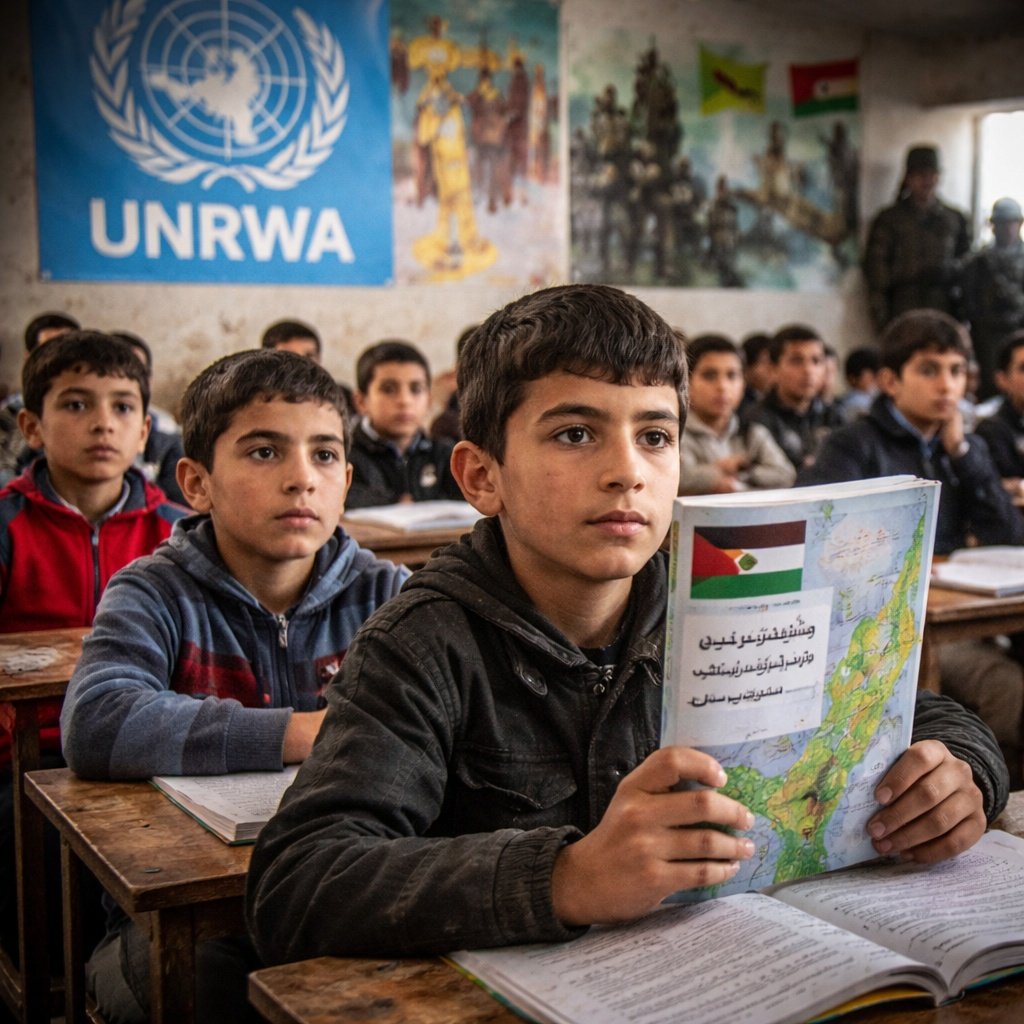
A new investigative film and research initiative is set to examine the role of the United Nations Relief and Works Agency for Palestine Refugees in the Near East, known as UNRWA, with a focus on refugee education, funding, and curriculum in Gaza and other Palestinian refugee camp environments.
The project, which includes an on location documentary and accompanying academic study, aims to analyze how refugee identity and historical narratives are taught across generations. Researchers involved in the initiative say the study will review educational materials, funding sources, and classroom messaging to assess how these factors influence political attitudes and long term conflict dynamics.
UNRWA was established in 1949 by the United Nations General Assembly to provide humanitarian assistance and social services to Palestinian Arab refugees following the 1948 Arab Israeli war. According to UNRWA’s official reports, the agency currently serves approximately 5.9 million registered refugees across Gaza, Judea and Samaria, Jordan, Lebanon, and Syria. Its services include education, healthcare, social services, and emergency assistance.
Education represents one of UNRWA’s largest operational sectors. The agency reports that it operates more than 700 schools and educates hundreds of thousands of students annually. UNRWA has stated publicly that its curriculum aligns with host authority education systems while incorporating United Nations values such as human rights, neutrality, and conflict resolution.
The forthcoming investigation will focus in part on refugee camp schools in Gaza. Researchers say they plan to review textbooks, classroom materials, and educational programming to better understand how historical narratives and political perspectives are presented to students.
The research team includes veteran Arabic language expert Dr. Arnon Groiss and Israeli security analyst Dr. Roni Shaked. Both have previously conducted studies examining Palestinian Authority textbooks and educational content. Their earlier research involved reviewing hundreds of textbooks used in Palestinian schools, with findings published in academic and policy reports.
According to the project organizers, the documentary component will include interviews, classroom observations, and documentation of educational environments within refugee camps. The film is expected to present findings from fieldwork conducted on location in Gaza, subject to security and access conditions.
UNRWA has consistently stated that it maintains strict neutrality and adheres to United Nations standards in its educational programming. The agency has also emphasized that it operates under international oversight and undergoes regular audits by donor governments and independent evaluators.
UNRWA’s funding comes from voluntary contributions by United Nations member states and other international donors. According to the agency’s financial disclosures, dozens of countries contribute to its annual budget, which supports humanitarian and educational programs. The agency has acknowledged ongoing financial challenges and has called on donor nations to maintain support to ensure continued delivery of services.
Critics of UNRWA, including some Israeli officials and policy organizations, have argued that aspects of refugee education and institutional structure may contribute to prolonged political grievances rather than resolution. UNRWA has rejected such claims, stating that its mandate is strictly humanitarian and educational.
The new documentary and research initiative seeks to contribute additional data and documentation to ongoing international discussions about refugee education, humanitarian assistance, and the future of the Israeli Palestinian conflict.
Researchers involved in the project say their goal is to present primary source material and firsthand observations to inform policymakers, educators, and the public. The findings are expected to be released in both film and written report formats following completion of field research and analysis.
The investigation comes at a time of renewed global attention on Gaza, refugee conditions, and the role of international organizations in humanitarian and educational efforts. Observers say the study’s conclusions could influence future debates over education policy, donor funding, and conflict resolution efforts in the region.
A final note: On Feb 19, President Trump plans to roll out his peace council, oblivious to the fact that we have documented on film that Trump has transformed Gaza into a staging ground for yet another total war on the Jews.
To support the documentary, visit here.