Czech
Czech French
 German
 Hebrew
 Noruegan
 Russian
 Spanish
 Swedish
 Polish
 Portuguese



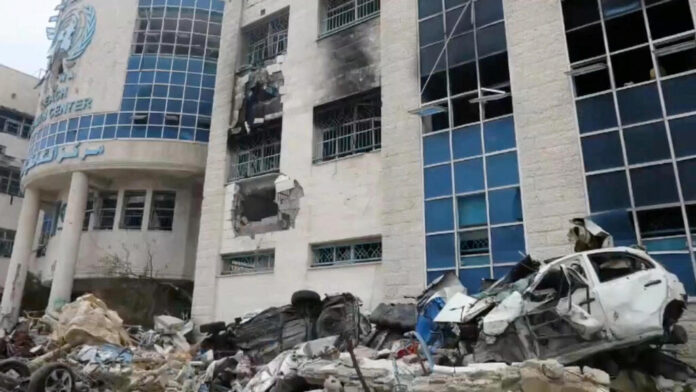
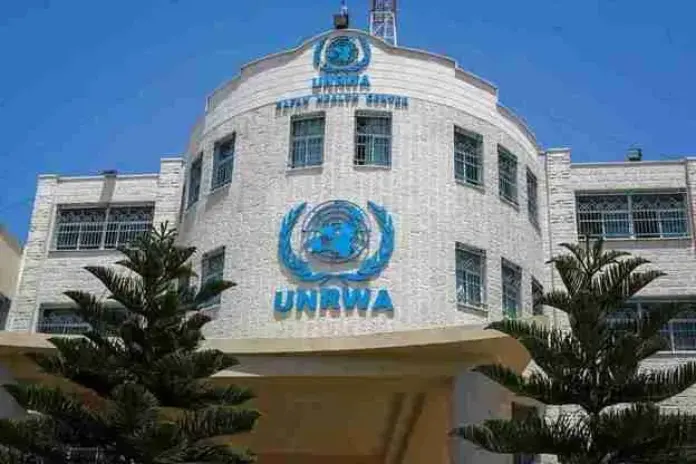
Twenty-five Israeli companies conducted direct transactions with the United Nations Relief and Works Agency for Palestine Refugees (UNRWA) from 2020-2023, bringing in around $60 million. Some of them continued to have commercial dealings with the organization even after the outbreak of the war, according to data released by Knesset member Yulia Malinovsky (Israel Beitenu) taken from UNRWA’s contract reports with Israeli suppliers from 2020- 2023 (excluding the second quarter of 2023, for which no data were provided by UNRWA). These reports indicate that many companies and businesses in Israel directly benefited from the controversial organization’s activities.
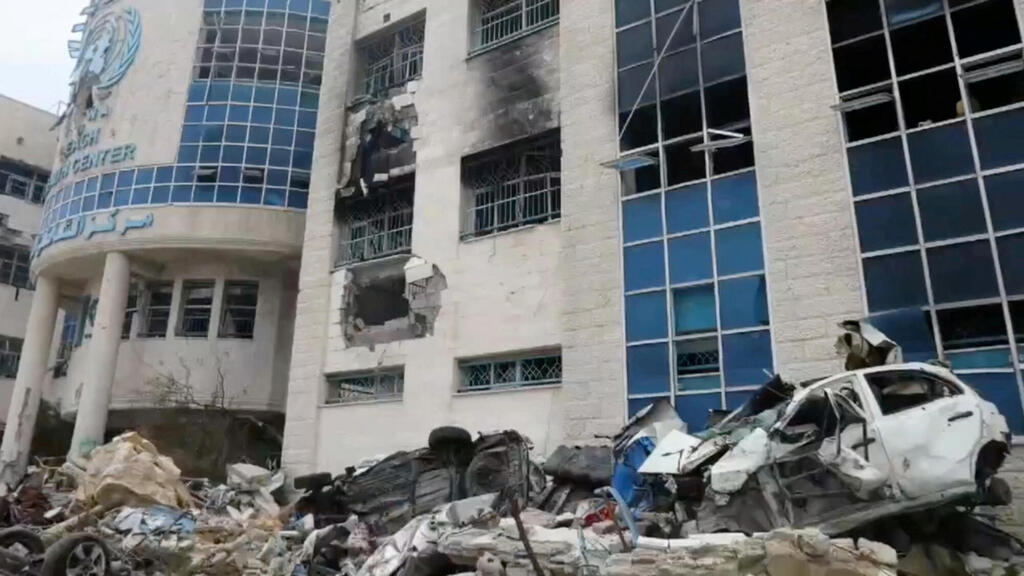
UNRWA is a UN organization established to provide relief services to Palestinian refugees in Gaza, the West Bank including East Jerusalem, Jordan, Syria, and Lebanon. According to Israel, UNRWA employees participated in the massacres carried out during the October 7th attacks, and the organization’s facilities and vehicles were also used. Israel says that UNRWA and Hamas are fundamentally connected. According to reports, twelve UNRWA employees have been accused of involvement in the massacres. According to UN Secretary-General António Guterres, nine UNRWA employees were fired, one of whom died, and two others are under investigation.
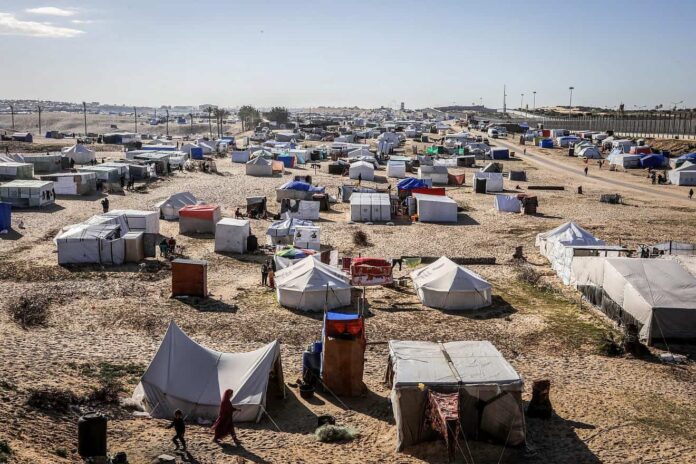
Last week, Israel decided to weaken UNRWA so that it would no longer be operational. This approach was adopted after lengthy deliberations by political and security entities, who believed that although UNRWA is a problematic organization which has perpetuated the refugee issue and collaborated with terrorist organizations like Hamas, there is currently no real alternative that can manage and distribute humanitarian aid to Gaza’s residents, particularly during a period when such assistance is more critical than ever. It is undisputed that Gaza is currently experiencing a massive humanitarian crisis, with some reports suggesting that parts of the Gazan population are facing extreme hunger, and there are concerns about the spread of disease.
Ultimately, the decision to restrict UNRWA’s activities was reached after the IDF concluded that this would harm Hamas’s civilian infrastructure in Gaza, and after mounting evidence of UNRWA employees participating in the October 7th massacres and its close ties to Hamas. The IDF and the government are considering, among other things, working with local clans in Gaza which has its own challenges. Last week, it was reported that Hamas executed members of a family suspected of collaborating with Israel.
One of the main strategies to curtail UNRWA’s activities is economic warfare. Efforts are being made within the security system to strip the organization of its ability to operate independently. The government instructed Israeli banks to close accounts used by UNRWA, and last month, Bank Leumi announced the closure of UNRWA’s bank account due to concerns that the funds were aiding terrorism.
In addition to Israeli banks, UNRWA has extensive economic ties with Israel as a significant portion of its activities are carried out within Israeli territory. For example, UNRWA’s central office dealing with Palestinian affairs in the West Bank is located in the Sheikh Jarrah neighborhood of Jerusalem, and from 2020-2023, the organization paid around $2.1 million in property taxes to the Jerusalem Municipality.
The previously mentioned direct transactions between Israeli companies and UNRWA totaling approximately $60 million from 2020 to 2023 is just the tip of the iceberg. It is believed that many more Israeli companies indirectly provided services and sold products to UNRWA through intermediaries, including contractors and Gaza businessmen, some of whom are believed to be affiliated with Hamas.
The most well-known Israeli companies that worked directly with UNRWA include energy company Paz, car importers Champion Motors, Auto Chen, and the Carasso Group, and communication companies Partner and Cellcom’s 013 Netvision. Paz said that they ended ties with UNRWA Gaza on October 7th. The other companies did not comment.
The total amount of transactions conducted by UNRWA in the last quarter of 2023 amounted to $85 million, with the main suppliers being companies from the Palestinian Authority and Gaza, UAE, Egypt, Syria, Lebanon, Jordan, and Turkey, as well as countries like Austria, Sweden, Denmark, and Israel.
Some of the companies doing business with UNRWA said that some contracts in the reports had not been finalized, and that payments were not actually made, partly because Israeli banks and other businesses are no longer willing to work with UNRWA. This has left many of these organizations in debt. A manager from one of the companies told Calcalist that his company has been boycotted because it is known that he worked with UNRWA, which has significantly affected his business: “We cannot pay salaries. I have fifty employees whom we have barely been able to keep on for two months. UNRWA owes me NIS 5 million ($1.35 million), and the banks are not willing to accept money from them. I won a contract, operated in accordance with the law, and now they are boycotting us. I’m worried that people will burn down our business.” Other companies noted that they cut ties with UNRWA after October 7 even though their contracts appear in the report for the last quarter of 2023.
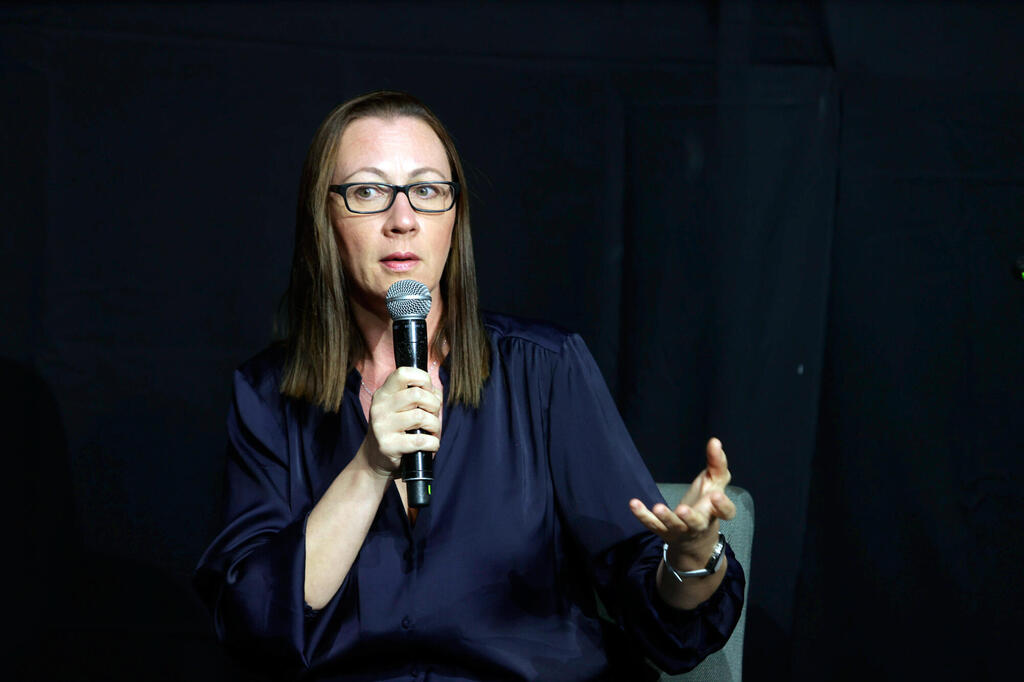
In conversation with Calcalist, Knesset member Malinovsky said, “For many years, the State of Israel and Israeli companies have worked with UNRWA. But now, after seeing the horrors committed by UNRWA employees, such as the murder of hostages, Israel must declare UNRWA a terrorist organization.” Malinovsky estimates that the majority of the more than $60 million from UNRWA to Israeli contractors was conducted through a third party. For example, a Gaza contractor close to Hamas who won a UNRWA tender to build a school worth millions of dollars purchases goods like cement in Israel. “Continuing to trade and have working relations with UNRWA is an affront to the memory of the victims [of October 7],” emphasized Malinovsky.
Malinovsky recently submitted a bill to declare UNRWA a terrorist organization, which would prevent the organization from operating in Israel and prohibit Israeli bodies and companies from working with it. The bill faced opposition from the Knesset Committee on Legislation and was not exempted from the obligation of a 45-day notice in the Knesset before being raised for a preliminary vote. Therefore, Malinovsky will only be able to bring it to a vote in two months, at the start of the Knesset’s summer session in May. “In my view, we owe it to the victims, the wounded, the missing, and their families to approve the bill,” said Malinovsky. “It is impossible to move on and continue to work with UNRWA.”
Malinovsky is outraged that the National Security Council, headed by Tzachi Hanegbi, opposes the promotion of the bill. “The NSC is subordinate to Prime Minister Benjamin Netanyahu, and it is his duty to act to thwart UNRWA’s activities in Israel and to prevent economic ties between the organization and Israeli companies,” she said. Additionally, she is upset that a discussion on the matter initiated in the Foreign Affairs and Defense Committee was declared confidential.
According to her, the reason for the government’s opposition to the bill is a reluctance to worsen its relations with the UN and the international community. “Since we lost 800 citizens and soldiers in one day, and we have captives in the hands of Hamas – some of whom are UNRWA employees – I no longer care about the UN,” she added. She also pointed out that “at the beginning of the war, many countries in the world stood by Israel and even cut off ties and support to UNRWA, but now countries like Canada, Switzerland, Sweden, and France have returned to funding UNRWA. If we had declared UNRWA a terrorist organization, many countries might have followed suit.”