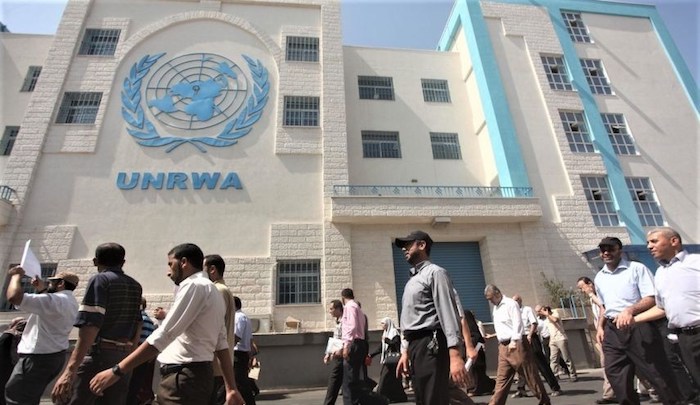
Why does the US place UNRWA funds for education in escrow?

Over the past 10 months. UNRWA has issued crying appeals to the world- claiming poverty, complaining that the US did not deliver funding that the Americans had promised to deliver – earmarked for UNRWA education.

It would seem highly unusual for the US State Department to issue an official statement that it would renew funds to UNRWA and then welch on the promise.

The reason that the US holds back funds is that UNRWA will not fulfill its side of the US-UNRWA memo of understanding from July 14, 2021, a written diplomatic accord which requires UNRWA to excise incitement from its school system as a condition to received renewed US funds, which were stopped on August 31, 2018.

The UNRWA spokeswoman, Tamara Alrifai. made it clear in an interview with a Swiss media outlet on July 30, 2021 that UNRWA would not make any move to change the UNRWA curriculum.

The UNRWA curriculum relies on textbooks and teachers from the imindoctination- infested Palestinian Authority

Therefore, with the bipartisan backing of the US Congress, the US has therefore placed promised aid to UNRWA in escrow. with the exception of a nominal amount of food aid to UNRWA in Lebanon.

The current US Congress became aware of the UNRWA curriculum because of briefings that the Bedein Center for Near East Policy Research provided staffers of Congress, through a series of bipartisan zoom sessions conducted by the center, 2020-2021

Sources:

Biden is delaying US’s donation to UNRWA so as not to Support Terrorism, while working towards Unfreezing Money for Iran

https://israelbehindthenews.com/wp-content/uploads/2022/03/Jews-in-Palestinian-Authority-Schoolbooks-in-UNRWA-Use.pdf

Our march 2022 mission to London

US holds back on Funds for UNRWA: Opportune time to hold UNRWA accountable

gov/wp-content/uploads/2021/07/2021-2022-US-UNRWA-Framework-Signed.pdf

The Current Terror Wave in Israel: Main Characteristics and Implications

Institute for Contemporary Affairs

Founded jointly with the Wechsler Family Foundation

Vol. 22, No. 6

  • The recent terror wave of shootings and stabbings in the large Israeli cities of Be’er Sheva, Hadera, and Bnei Brak shows several significant characteristics that distinguish it from previous terror surges such as the wave in 2015-16 (known as the “Knives Intifada”). The attacks were all perpetrated within pre-1967 Israel, undermining the sense of security of many Israelis who wanted to believe they were not targets of terror.
  • Three of the four terrorists were Israeli Arab citizens, one from the Bedouin village of Hura and the other two from the town of Umm al-Fahm. Israelis, including the security services, did not expect Israeli Arabs to go that far. The affiliation of the two Israeli Arab terrorists from Umm al-Fahm with the Islamic State was a surprise since terror against Israel is not high on its order of priorities, and it has no organized structure among the Palestinians and the Israeli Arabs.
  • The Israeli government and the security services wanted to believe that by improving the economic situation in the Palestinian Authority and Gaza, they could gain at least temporary quiet. Pouring money into Israeli Arab society was also considered a way of bolstering their interest in integrating into Israeli society and keeping them away from violent and criminal activities.
  • The Palestinian Authority and Hamas, as well as elements of the pragmatic leadership of the Israeli Arabs, may take advantage of the economic gestures and deliver what is expected of them, but they are not in full control of the terror threats. In addition, the PA and Hamas continue to stoke terror and hatred, and Hamas calls for terror from the areas not under its control, including by Arabs in Judea and Samaria and within Israel. Most Palestinian people, including many Israeli Arabs who consider themselves Palestinians, are committed to the Palestinian narrative of an ongoing struggle against Zionism.

The recent terror wave of shootings and stabbings in the large Israeli cities of Be’er Sheva, Hadera, and Bnei Brak shows several significant characteristics that distinguish it from previous terror surges since the one in 2015‒16 (known as the “Knives Intifada”). These new characteristics surprised the Israeli government, security organizations, and the public, even though there were expectations of a spike in terror on the eve of Islam’s holy month of Ramadan. Indeed, the spate of attacks exposed misperceptions and made shockingly clear that the “rules of the game” the other side was believed to be upholding are no longer in effect.

The Terror Attacks Were Perpetrated within the Green Line (pre-1967) Israel

Israel got used to sporadic terror attacks in Judea and Samaria and east Jerusalem. At the same time, the rest of the country enjoyed relative calm and was considered more or less safe. Hence, the attacks undermined the sense of security of many Israelis who wanted to believe that, under the unwritten rules of the game, they were not targets in the ongoing terror against the Israelis living in the territories occupied since 1967. Terror from Gaza in the form of periodic rounds of rocket fire is expected and the Iron Dome provides a sense of protection against it. However, the crueler face-to-face terrorist stabbings and shootings in the streets of cities within the Green Line were unexpected and created a feeling of insecurity and helplessness. Israelis also realize that the attacks could have resulted in horrific mass casualties if the terrorists had not been gunned down so rapidly. In two of the three instances, the quick response happened by chance or by civilians.

Israeli Arabs as Terrorists

Three of the four terrorists were Israeli Arab citizens, one from the Bedouin village of Hura and the other two from the town of Umm al-Fahm. In light of many Israeli Arabs’ participation in the violent riots during the May 2021 Operation Guardian of the Walls in Gaza, January’s violent protests against the planting of trees in the Negev, and the enthusiastic welcoming celebrations for freed Israeli Arab terrorists and agitators, the emergence of domestic Arab terror should not have shocked Israelis. Nevertheless, it came as a blunt surprise; Israelis, including the security services, did not expect Israeli Arabs to go that far. Terror acts are “supposed” to be carried out by Palestinians living in the territories. Instead, this unwritten rule of the game was challenged and broken as well. (For an in-depth analysis of attitudes toward violence among different categories of Israeli Arabs, see An In-Depth Analysis of the Forces Driving the Israeli Arab Riots of May 2021.)

The perpetrators of the Hadera terrorist attack
Cousins Ayman Ighbaria and Ibrahim Ighbriah, the perpetrators of the Hadera terrorist attack on March 27, 2022, pledged allegiance to the Islamic State. (Screenshots)

The Islamic State (IS) Daesh Role

Israelis got used to terror attacks by members of Palestinian terror groups or by individual Palestinian terrorists after being motivated by the ongoing incitement and hate indoctrination of the Palestinian Authority and the other terror organizations. IS was not considered a direct threat, since terror against Israel is not high on its order of priorities, and it has no organized structure among the Palestinians and the Israeli Arabs. Hence, the affiliation of the Israeli Arab terrorists, especially the two from Umm al-Fahm, with Daesh was a surprise that not even the security forces were prepared to deal with. Although Daesh most probably did not order the attacks, it immediately capitalized on the terrorists’ adoption of the organization and launched an incitement campaign in the hope of gaining popularity and inspiring more Palestinians and Israeli Arabs to engage in terror. It is worth noting that at the peak of Daesh’s power (2015‒18), several dozen Israeli Arabs sought to join the group in the fighting in Syria. Some managed to do so, some died, and some were forced to return to Israel and were arrested for a relatively short time.

The Totality of the Palestinian Struggle against Zionism and the Faulty Economic Assumptions

The Israeli government and the security services wanted to believe, and they convinced themselves that by improving the economic situation in the Palestinian Authority’s areas and Gaza, they could gain at least temporary quiet and muddle through the sensitive period of the religious and nationalist holidays in April and May. They believed that the PA would fight terror in the areas under its control, and Hamas would preserve calm and restrain the other factions in Gaza. Pouring money into the Israeli-Arab society was also considered a way of bolstering their interest in integrating into Israeli society and keeping them away from violent and criminal activities. Although these assumptions may be correct, they miss the point.

The PA and Hamas, as well as elements of the pragmatic leadership of the Israeli Arabs, may take advantage of the economic gestures and deliver what is expected of them, but they are not in full control of the terror threats. In addition, more disturbingly, the PA and Hamas continue to stoke terror and hatred, and Hamas calls for terror from the areas not under its control, including by Arabs in Judea and Samaria and within Israel. The distinction between different components of the Palestinian people regarding violence and terror is becoming less relevant. This may be attributed mainly to Hamas and its supporters in Israel, who promoted that message in May 2021 and ever since have made it a central plank of their propaganda, including the March 26, 2022, gathering in Gaza aimed at spurring Israeli Arabs to confront Israel. To sum up, most of the Palestinian people, including many Israeli Arabs who consider themselves Palestinians, are committed to the Palestinian narrative of an ongoing struggle against Zionism, and the economic benefits to the general public are not going to stop them, from time to time, from taking action when they see fit.

The Israeli public’s frustration also stemmed from the gap between their expectations of the security services and the judiciary system on the one hand, and the reality on the other. The current impression is that the security services were ill-prepared to deal with the new rules. Two of the three Israeli Arabs were known to have had an affiliation with Daesh and had been arrested in the past and released after short prison terms. Yet they were not under any surveillance. A week after the first attack by a Daesh supporter in Be’er Sheva, the two Umm al-Fahm terrorists were able to acquire a large arsenal of weapons without being noticed. Even after the government promised to improve the security measures, the terrorist from the Jenin area managed to drive a car with a gun through the security fence without being noticed. Although the security system clearly cannot guarantee zero failures in thwarting terror attacks, this string of attacks eroded the public’s trust.

The Israeli response was an attempt to ensure as much as possible that the wave of attacks would end. An intensified effort to monitor the attempts to carry out attacks, along with increased presence and activity of security forces in the Palestinian cities and along the security fence, enabled security forces to thwart at the last minute an attack by a Palestinian Islamic Jihad squad from the area of Jenin and Tulkarm. Three terrorists were killed, and a fourth was apprehended, and arrests were made in areas controlled by the PA. The number of Palestinian workers entering Israel without authorization was also curtailed. Parallel efforts directed at Israeli Arabs suspected of affiliation with Daesh led to many arrests. While late in coming, these efforts, accompanied by an increased police budget, have helped restore public trust in the security services.

However, it is still not clear to what extent the government comprehends the meaning of the changed rules of the game; some of those changes happened almost a year ago but, although they were well-known, they prompted no change in the government’s policy and attitude. If the new reality is fully grasped, then the counterterror efforts should persist and include a wide-ranging campaign to seize illegal weapons, apply severe measures against inciters, and adopt a harsher approach by the courts to those involved in terror, reassert control in ungoverned areas, and more.

Why Now?

Why did this terror wave happen now? It appears to stem from the ongoing incitement by the PA and the other terror groups, the heightened Islamist devotion to Ramadan, nationalistic emotions on “Land Day,” inspiration from the “success” of the initial attacks, and the growing frustration over the marginalization of the Palestinian issue on the international and regional stages. The Negev Summit with foreign ministers from Egypt, Morocco, the UAE, Bahrain, and the United States reflected that phenomenon. The condemnation of the attacks by the participating Arab foreign ministers and later by President Erdogan of Turkey himself highlighted the depth of the change in the region.

Foreign ministers of Israel, the United States, UAE, Bahrain, Morocco, and Egypt delivered statements to the press.
Foreign ministers of Israel, the United States, UAE, Bahrain, Morocco, and Egypt delivered statements to the press. (Screenshot from Yair Lapid’s official Twitter account/GPO)

PA Chairman Mahmoud Abbas is responsible for much of the incitement, including by his insistence on paying salaries to arrested terrorists and monthly stipends to the families of killed terrorists. His expenditures will now include payments to the families of the terrorists killed in the latest attacks and confrontations with the security forces, and to arrested terrorists. Yet, Abbas avoided any reference to the first and second attacks, and only under Israeli and American pressure did he issue a very feeble condemnation of the third. Meanwhile, the Fatah movement, which he leads, and its terror arm, the Al-Aqsa Brigades, praised the attacks.

What really infuriated the PA was the Israeli success in foiling the attempt at a significant terror attack by the Palestinian Islamic Jihad operatives. Indeed, Abbas’ spokesperson and other PA dignitaries harshly denounced the Israeli preemptive raid. While Abbas appears aware that the terror campaign is steadily eroding his power, he does nothing to stop it.

What comes next? The terror groups supported by Iran, such as the Palestinian Islamic Jihad and Hamas, may launch more organized attacks and call upon Arabs in the territories and Israel to participate in the terror campaign. If they fail, the option of terror attacks and rocket barrages from Gaza may be in the offing, as well. Israel must maintain a very high alert on all fronts for the foreseeable future. Israel must also bear in mind that if the United States and Iran reach an agreement on restoring the nuclear deal, the Iranian resources available to the radical terror groups will grow substantially.

Under the radar

If something is flying under the radar it usually means that it is undetected or unseen.

That accurately sums up news concerning Israel as far as most of the mainstream media is concerned. On those rare occasions when there is a major blip and items slip through it is almost guaranteed that somehow or other the facts will be skewed, twisted and distorted. It makes no difference whether it is misleading headlines or a report which conforms to the politically correct agenda of the journalist or editor, the fact remains that those without either access or the interest to dig further will be locked into believing the worst about Israel.

Do a quick survey of your local media.

Have you noticed any in-depth analysis of the field hospital set up by Israel on the Ukrainian border area? The fact that this country was the first to get the only viable hospital operating and is treating injured and sick refugees as well as delivering babies, disappeared beneath the radar of the vast majority of news outlets.

Did you read that Israel has just welcomed its 10,000th Ukrainian refugee?

Good news is not news and that is why emphasis is given to conflict, political disagreements and scandals.

The same under the radar techniques are employed when it comes to the actions and rhetoric of our adversaries. As an added bonus whenever the UN and its affiliated groups together with NGOs and self-loathing bodies pass resolutions and produce reports condemning Israel for a myriad of sins against humanity, you can be assured that these will be enumerated in full. Missing will be any sort of intelligent background which exposes the falsehoods of the alleged crimes and is silent about the hateful agenda of those peddling them.

This week has been no different than any other in the way that vital facts have sunk or been obliterated without being detected and exposed.

The Islam holy month of Ramadan is about to commence. This year it coincides with Pesach and Easter. Unreported, unmentioned and studiously avoided, are any references to the fact that Ramadan in this part of the world and increasingly elsewhere, is the time for an upsurge in terrorist and extremist activities. Google “Ramadan terror” and see the facts for yourselves. This holy month has been increasingly hijacked by extremists but political correctness successfully downplays the situation.

In Israel, we know when Ramadan is approaching because the level of incitement increases and outbursts of terror occur in advance of the month. This year is no exception. King Abdullah of Jordan travelled to Ramallah in order to bolster the PA’s demand that Israel agrees to go back to the 1967 lines and surrender half of Jerusalem. The irony of course is that the President for life of the corrupt PA and his colleagues are some of the biggest cheerleaders of murderers and mayhem. What is even worse however is the pass they receive from some of our own politicians and those in the international community who still hallucinate that a two-State solution led by Fatah, Hamas and assorted terror-supporting groups is our only salvation.

In typical chutzpah mode, the Jordanian Monarch admonishes Israel and warns it not to make any provocative moves. In plain English, this means banning Jews from visiting Har Habayit (the Temple Mount). The scandal is that some of our politicians actually fall for this sort of hypocrisy.

When Israel is pilloried for defending its citizens and the likes of Ambassador Nides and Secretary of State, Blinken, admonish Israel for “upsetting” those dedicated to our demise, what can one expect from the media which buys into this false narrative? When building homes for Jews in places that have been part of a sovereign Jewish nation for three thousand years is condemned as a threat to world peace and Israel is warned not to evict illegal Arab squatters is it any wonder that the Ramadan terrorists are encouraged?

Israel has just announced the establishment of five new towns in the Negev. In any normal country, this would elicit nary a peep or comment. However, where hypocrisy and double standards are the rule things are different. Members of Knesset from the Arab Joint List Party together with the usual chorus from Ramallah and Gaza have protested the “Judaization” of the “occupied” Negev. For good measure, they also have ramped up, in time for Ramadan, their baseless libels about the “Judaization” of Jerusalem. Without fail and right on time we can expect full-blown riots and violence on the Temple Mount and elsewhere. On cue, the media, the UN and the usual assortment of “noch shleppers” will condemn us for provocations.

The daily outpouring of hate and incitement against Jews from mosques, in PA and UNRWA school textbooks and summer camps combined with officially sanctioned media, slanders all contribute to the climate of terror which erupts during Ramadan. In addition, the payment of lifelong pensions and grants for the murderers of Jews gives a green light for inevitable violence.

None of these factors is unknown but because highlighting them attracts cries of “Islamaphobia” two-faced politicians and terrified communal leaders run for the hills and prefer to ignore the elephant in the room.

This is the reason that no questions are asked or explanations demanded as to why Islamic followers feature so disproportionably among the perpetrators of terror and murder. Once upon a time Jews were the prime targets of fatal venom at Easter and countless numbers were massacred with the sanction of the various Christian denominations. This has more or less petered out as a result of a more enlightened theological reform and has been accompanied by sincere efforts at reconciliation.

While there are some enlightened Islamic scholars and leaders who realize that current trends are leading to disastrous consequences, they are a distinct minority. The deafening silence on the part of Islamic nations, national Islamic organizations and spokespersons illustrates the problem. If the enlightened minority are too fearful of speaking out against what their adherents are doing worldwide and especially in Israel, we have a problem which needs to be exposed. If politicians and communal leaders are so inhibited by political correctness that they prefer to ignore what is staring them in the face, the terror will multiply as it is doing these days.

Mealy mouthed and insincere utterances following terror against Jewish and non-Jewish Israelis are simply designed for international consumption. The usual gullible groups will fall for these worthless words and the media will hail them as proof of peaceful intentions.

Meanwhile, daily deluges of lies and incitement will pour forth from PA/PLO/Fatah/Hamas sources on a daily basis. Look at these three samples (courtesy of MEMRI) for what passes as peace and tolerance and then you may understand what motivates the masses.

https://www.memri.org/tv/palestine-islamic-scholar-mraweh-nassar-jews-instigated-war-ukraine-establish-jewish-state

https://www.memri.org/tv/fatah-official-jamal-huwail-praises-beersheba-stabbing-israel-palestine-river-to-sea-palestine

https://www.memri.org/tv/palestinan-official-nasser-qaram-extols-martyrdom-israel-enemy-allah-terrorize-commit-crimes

Silence by Muslims and members of every other faith or those without any religious affiliation explains why this Ramadan, a supposedly peaceful holy month dedicated to contemplation and prayer, will in fact mutate into another orgy of murder.

Until and unless the root causes are tackled and eliminated the poison will merely spread and threaten everyone.

Michael Kuttner is a Jewish New Zealander who for many years was actively involved with various communal organisations connected to Judaism and Israel. He now lives in Israel and is J-Wire’s correspondent in the region.

Behind the scene with David Bedein – March 31, 2022

Behind the scene with David Bedein – March 21, 2022

BLINKEN’S SCOREBOARD “actions that could raise tensions” – 4 for Israel 1 for Palestinians (no mention of Palestinian violence)

WILMINGTON, DE November 24, 2020:

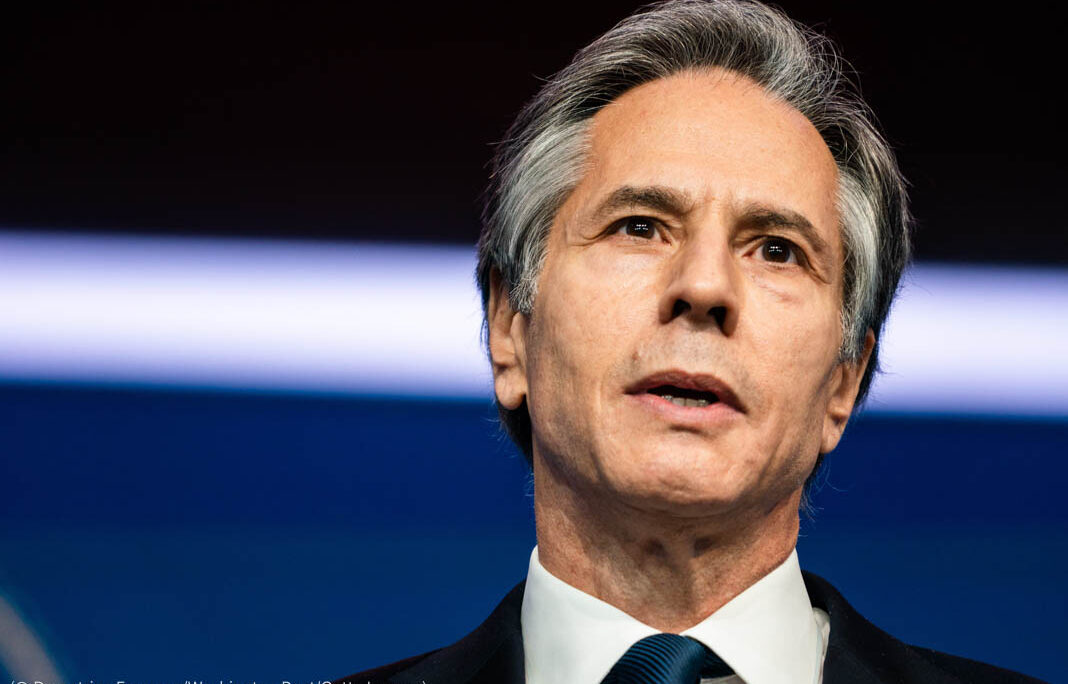
Antony Blinken on stage during President- elect Joe Biden introduction of his cabinet member nominees at the Queen in Wilmington, DE on November 24, 2020.

The President- elect along with Vice President- elect Kamala D. Harris introduced Antony Blinken for Secretary of State, Alejandro Mayorkas for Secretary of Homeland Security, Avril Haines for Director of National Intelligence, Linda Thomas-Greenfield for U.S. Ambassador to the United Nations, Jake Sullivan as National Security Adviser, and John Kerry as Special Presidential Envoy for Climate.

(Photo by Demetrius Freeman/The Washington Post via Getty Images)

BLINKEN’S SCOREBOARD “actions that could raise tensions” – 4 for Israel 1
for Palestinians (no mention of Palestinian violence)
Dr. Aaron Lerner 27 March 2022

BLINKEN’S SCOREBOARD “actions that could raise tensions”:

ISRAEL:
1. Settlement expansion
2. Settler violence
3. Demolitions
4. Evictions of families from homes they’ve lived in for decades

PALESTINIAN:
1. Payments to individuals convicted of terrorism
[Not mentioned: Palestinian violence. Illegal Palestinian construction,
Palestinian destruction of archeological and other evidence of the Jewish
presence in Judea and Samaria in the biblical period and onwards, and much
more.]

IDENTIFICATION NOT CLEAR:
1. Incitement to violence

=======
Statements by and US Secretary of State Antony Blinken

(Communicated by the Prime Minister’s Foreign Media Adviser)

Statement by US Secretary of State Antony Blinken after meeting today with
Prime Minister Naftali Bennett (Sunday, 27 March 2022):

“Today, we also discussed ways to foster a peaceful Passover, Ramadan and
Easter across Israel, Gaza and the West Bank, particularly in Jerusalem, a
city of such profound importance to Jews, to Christians, to Muslims. And
that means working to prevent actions on all sides that could raise
tensions, including settlement expansion, settler violence, incitement to
violence, demolitions, payments to individuals convicted of terrorism,
evictions of families from homes they’ve lived in for decades. It’s a
message that I’ll be underscoring in all of my meetings on this trip.

________________________________________
IMRA – Independent Media Review and Analysis

Since 1992 providing news and analysis on the Middle East with a focus on
Arab-Israeli relations

Website: www.imra.org.il

Biden Administration Failing to Reform U.N.’s Palestinian Refugee Agency

Its textbooks promote anti-Semitism and violence. Its previous leader resigned amid allegations of “misconduct, nepotism, retaliation . . . and other abuses of authority.” There is no question that the United Nations Relief and Works Agency for Palestine Refugees in the Near East (UNRWA) is in need of drastic reform.

Yet the Biden administration just appointed a former top UNRWA official to the State Department bureau that oversees hundreds of millions of dollars of U.S. funding for her previous employer. Elizabeth Campbell, a new deputy assistant secretary in the Bureau of Population, Refugees, and Migration, worked for UNRWA from 2017 until earlier this year, representing its interests in Washington. UNRWA currently faces a serious financial shortfall, presenting the Biden administration with an opportunity to push for much-needed reform and accountability. However, it seems unlikely that Campbell—who just weeks ago was paid to publicly defend UNRWA and its budget—would now clamp down on her former employer.

The Trump administration cut off all U.S. funding for UNRWA in 2018, concluding that UNRWA needed to be reformed completely, if not dismantled. With a mandate to care for refugees, providing basic services like health care and education, but not resettle them, UNRWA has perpetuated the problem it exists to deal with. By conferring refugee status on multiple generations of Palestinians—a departure from U.N. practice in other conflicts—an initial refugee population of approximately 750,000 in 1948 has ballooned to 5.7 million. This expansive definition of who is a refugee, coupled with UNRWA’s support for the “right of return,” the Palestinian claim that all these millions of Palestinians have a right to resettle inside Israel, makes the agency a vehicle for prolonging the Israeli-Palestinian conflict. To boot, UNRWA has also had serious issues of waste, fraud, and abuse.

When the Trump administration zeroed out aid to the U.N. agency in August 2018 after it resisted making changes, a State Department spokesperson announced, “The United States will no longer commit further funding to this irredeemably flawed operation.”

The Biden administration opted to restore funding to the agency before securing structural changes in UNRWA’s mandate or operations—all but ensuring no change would occur. When announcing the decision last April, Secretary of State Antony Blinken vowed U.S. taxpayer money would promote “neutrality, accountability, and transparency.” Since then, the United States has donated or pledged some $416.8 million to UNRWA, including more than $32 million contributed in the wake of the May 2021 Hamas-Israel war.

The Biden administration would likely defend its decision by pointing to the framework for cooperation with the State Department that UNRWA signed on July 14, 2021, in which it committed to stopping incitement against Jews and Israel in its education system and ensuring it does not support or provide assistance to terrorist groups. Days later, the United States announced another $135.8 million for the cash-strapped agency. On December 30, 2021, the State Department pledged an additional $99 million, again stressing the need for UNRWA to focus on “accountability, transparency, neutrality, and stability.”

But America’s return on investment appears to be negative. A report published in January 2022 by the Jerusalem- and London-based watchdog group IMPACT-se shows that UNRWA has continued to distribute teaching materials that glorify and promote violence. (Previous reports from the group, which pre-date the agreement with the Biden State Department, showed the same thing, as did an EU-funded report released in June 2021. Even the UNRWA commissioner-general, Philippe Lazzarini, admitted last September that textbooks distributed by his agency promote anti-Semitism, hatred, and violence.)

UNRWA has frequently hidden behind a claim that it merely uses the curriculum of its “host country.” With this approach, UNRWA has deflected accusations that the Palestinian Authority textbooks it uses in the West Bank and Gaza incite Palestinians to violence, even though UNRWA is under no obligation to use these materials.

Beyond teaching materials, UNRWA personnel are also part of the problem. In August 2021, another watchdog group, UN Watch, issued a report detailing 113 UNRWA staffers who promoted terrorism, violence, and anti-Semitism, mainly on social media. For example, multiple teachers praised Hitler, espoused conspiracy theories of global Jewish domination, and shared Hamas propaganda videos. Following the report, UNRWA suspended at least six employees. What happened to the other 107 remains unclear.

UNRWA has also failed to demonstrate its neutrality. During the latest Hamas-Israel war, then-UNRWA Gaza chief Matthias Schmale drew Hamas’s ire and earned himself a one-way ticket out of Gaza for merely acknowledging that Israel’s strikes in Gaza were precise and largely avoided civilian casualties. Schmale is no longer with UNRWA. His replacement quickly met with Hamas and thanked the terrorist group for its “positivity and desire to continue cooperation.”

UNRWA also appears to be failing in its commitment not to support terrorists, having contracted with at least two organizations tied to terrorist groups in 2021. In both cases, the contracts were with health-care related institutions, but the connections to terrorist entities are troubling. UNRWA spent over $366,000 at Rassoul al-Azam, a Hezbollah-owned and -operated hospital in Beirut. UNRWA also paid over $1.2 million to the Union of Health Work Committees (UHWC), reportedly the Popular Front for the Liberation of Palestine’s (PFLP) Gaza-based health organization. (The U.S. government designated the PFLP as a Foreign Terrorist Organization in 1997.) The August 2019 murder of an Israeli teenager perpetrated by members of several PFLP-linked nongovernmental organizations elevated concerns regarding the PFLP’s use of NGOs as fronts.

With the Biden administration’s inability or unwillingness to force sorely needed change at UNRWA, there are several ways for Congress to intervene. Appropriators should consider tying any further assistance to UNRWA to key reforms: zero tolerance for anti-Semitism and incitement to violence; vetting all UNRWA beneficiaries, employees, and contractors according to U.S. terrorist designations; and a change in UNRWA’s mandate to support a durable solution to the refugee issue and help Palestinians achieve economic independence.

The United States should halt its contributions to this flawed organization until it cleans up its act, demonstrating the accountability, transparency, and neutrality it promised.

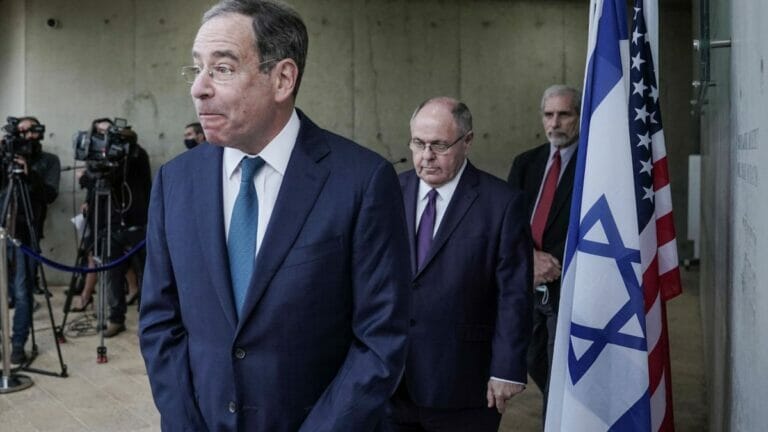
US-Botschafter in Israel: Wohnungsbau schlimmer als Mord

Thomas Nides verurteilt das Siedlungswachstum in Ostjerusalem und im Westjordanland, igoriert jedoch die antisemitischen Darstellungen in palästinensischen Schulbüchern.

Wohnraummangel ist in vielen Ländern der Welt ein Problem. Wenn Kinder erwachsen werden, wollen sie von zu Hause ausziehen, aber können es vielleicht nicht, weil sie keine Wohnung finden. Junge Eltern wiederum brauchen eigentlich mit jedem weiteren Kind auch mehr Platz – im Idealfall hat jedes Kind sein eigenes Zimmer. Doch wo Wohnungsnot herrscht, leben oft auch große Familien in für sie viel zu kleinen Wohnungen, weil sie sich einen Umzug nicht leisten können – schlimmstenfalls leben gar mehrere Familien – ohne jegliche Privatsphäre – in einer gemeinsamen Wohnung.

Gegen Wohnungsnot gibt es nur ein Mittel: mehr Wohnungen bauen. Das ist in dem Ort Efrat in Judäa und dem vorwiegend von ultraorthodoxen Juden bewohnten Jerusalemer Stadtviertel Ramat Shlomo nicht anders als in Köln, Wien oder New York.

Doch anders als in diesen Orten wird in Efrat und Ramat Shlomo jeder Bau einer neuen Wohnung buchstäblich zur Staatsaffäre. Wie im März 2010, als irgendein israelischer Verwaltungsbeamter in einer der üblichen öffentlichen Bekanntmachungen den Bau von 1.600 Wohneinheiten in Ramat Shlomo verkündete. »Siedlerwohnungen«, schrieb die Nachrichtenagentur Reuters daraufhin, und weil zufällig gerade zu diesem Zeitpunkt der damalige US-Vizepräsident Joe Biden zu Besuch in Israel und den Palästinensischen Autonomiegebieten war, wurde von diesem erwartet, dass er sich darüber erbost zeigte – was Biden dann auch tat.

Werbung


»Es obliegt beiden Parteien, eine Atmosphäre der Unterstützung für die Verhandlungen aufzubauen und sie nicht zu verkomplizieren«, sagte Biden bei einer gemeinsamen Pressekonferenz mit Mahmud Abbas, dem Präsidenten der Palästinensischen Autonomiebehörde. Die Entscheidung der israelischen Regierung untergrabe »genau dieses Vertrauen, das Vertrauen, das wir jetzt brauchen, um gewinnbringende Verhandlungen zu beginnen«.

Dazu muss man wissen, dass die israelische Regierung zu diesem Zeitpunkt sogar ein Moratorium für den Bau von Wohnungen in Siedlungen in der West Bank verkündet hatte und damit der Forderung des damaligen US-Präsidenten Barack Obamas nachkam, der dies zur Vorbedingung für den Beginn von Friedensverhandlungen gemacht hatte (wovon selbst Abbas überrascht war). Dieses Moratorium galt aber nicht für Jerusalem, denn Jerusalem ist keine Siedlung, sondern Israels Hauptstadt.

Zwölf Jahre später …

Zwölf Jahre später, wir schreiben den 15. März 2022, trifft sich der US-Botschafter in Israel, Thomas Nides, zu einer Zoom-Konferenz mit Mitgliedern von Americans for Peace Now (APN). Zu dieser Organisation ist zu sagen, dass sie die Arbeitsdefinition der International Holocaust Remembrance Alliance (IHRA) für Antisemitismus ablehnt, u. a. deshalb, weil sie der Überzeugung ist, dass es keineswegs antisemitisch sei, Israel mit viel strengeren Maßstäben zu messen als alle anderen Staaten der Welt.

Auch die Israel-Boykott-Kampagne BDS ist nach Meinung von APN nicht antisemitisch. APN unterstützt zudem die zum Unilever-Konzern gehörende Eiscrememarke Ben & Jerry’s bei ihrem Israel-Boykott. Soviel zu den Positionen von APN. Botschafter Nides sagte im Gespräch mit den APN-Aktivisten:

»Eure Agenda ist, wo mein Herz ist.«

Weiters erklärte er, was ihn daran störe, wenn PA-Präsident Abbas einen großen Teil der Hilfsgelder, die er aus dem Ausland bezieht, dafür verwendet, um Kopfgelder für die Ermordung von Juden auszusetzen. Diese Praxis, bemängelte Nides, gebe – nicht näher bezeichneten – »Hassern« (haters) einen Vorwand, eine Zwei-Staaten-Lösung abzulehnen. Wörtlich sagte er:

»Diese Märtyrerzahlungen, wissen Sie, wir können darüber debattieren und reden, haben eine enorme Menge an Problemen verursacht. Und ich arbeite mit [Verteidigungs-]Minister [Benny] Gantz und dem Premierminister und den Palästinensern zusammen, um herauszufinden, wie man das stoppen kann, weil es Hasser gibt – und es gibt Hasser –, die sagen: ›Wir können das nicht tun [d. h. einen unabhängigen palästinensischen Staat zulassen] weil sie dafür bezahlen, dass Menschen Juden töten.‹«

Also nicht das Aussetzen finanzieller Belohnungen für Mord an Juden ist für den amerikanischen Botschafter in Israel das Problem, sondern die (jüdische) Reaktion, die diese nach sich zieht. Ansonsten hat Nides offenbar nichts an der Palästinensischen Autonomiebehörde und ihrem Anspruch auf einen eigenen Staat auszusetzen und glaubt auch nicht, dass Abbas oder seinen Vorgänger Jassir Arafat irgendeine Schuld daran trifft, dass die Beziehungen zwischen Ramallah und Jerusalem nicht die allerherzlichsten sind.

Das Hindernis, um Frieden zu schließen, sei aus Sicht des amerikanischen Botschafters Israel selbst  – und Israel allein. Nides sagte:

»Wir können keine Dummheiten machen, die uns an einer Zwei-Staaten-Lösung hindern. Wir können nicht zulassen, dass die Israelis in Ostjerusalem oder im Westjordanland Siedlungswachstum betreiben.«

Werbung


Nides betonte, dass ihm »das Land und die Menschen sehr am Herzen liegen« und er nur »das Richtige tun« wolle.

Widerspruch wird laut

Widerspruch gegen die Aussagen des Botschafters kommt u. a. von David Bedein, dem Gründer und Leiter des Bedein Center for Near East Policy Research. Im Anschluss an Nides’ Zoom-Konferenz formulierte Bedein ein elfseitiges Papier, das er u. a. an Mena-Watch schickte. Darin stellt er die Frage: »Wer blockiert wirklich die Zwei-Staaten-Lösung?«

Auf der Grundlage der Forschungen von Arnon Groiss, einem Professor für Arabisch und Studien des Nahen Ostens an der Hebrew University Jerusalem, zeigt Bedein, wie in Schulbüchern der Palästinensischen Autonomiebehörde systematisch versucht wird, jeden Keim von Friedenswille und Aussöhnung in den Schülern zu ersticken und sie zum Krieg gegen die Juden aufzuwiegeln.

Die PA-Schulbücher, auch die von der UNRWA benutzten, zeigten drei wiederkehrende Muster der Nichtanerkennung Israels, so Bedein:

  1. Die Delegitimierung von Israels Existenz oder auch nur der Anwesenheit von Juden im Land. Dazu gehört das Leugnen der jüdischen Geschichte und der Existenz jüdischer Heiligtümer.
  2. Dämonisierung Israels und der Juden. Dies geschieht auch mit religiösen Argumenten, was tiefgreifende Folgen für die Schüler hat, die in einer traditionell-religiösen Wertewelt aufwachsen.
  3. Die Abwesenheit von Appellen zum Frieden mit Israel. Stattdessen gebe es Aufrufe zum gewaltsamen Kampf zur Befreiung des ganzen Landes von den Juden. Unterschiede zwischen Israel diesseits und jenseits der Waffenstillstandslinie von 1949 würden dabei nicht gemacht. Diesem Kampf werde eine religiöse Aura gegeben und »zum Mord an Juden ermuntert«.

Für jeden der drei Punkte liefert Bedein etliche Beispiele aus den Schulbüchern der Palästinensischen Autonomiebehörde.

Delegitimierung

Israels jüdische Bürger werden als ausländische Kolonialisten dargestellt. So werden die Schüler der 8. Klasse in einem Sozialkundelehrbuch dazu aufgefordert, die »Tragödie der Indianer, Amerikas ursprüngliche Einwohner, mit der Tragödie des palästinensischen Volkes« zu vergleichen.

Die jüdische Geschichte des Landes wird geleugnet. In einem Buch für den Arabisch-Unterricht der 10. Klasse ist davon die Rede, die »Besatzer«, also die Israelis, hätten »Legenden« erfunden, um ihren Staat zu rechtfertigen und würden – »jedoch vergeblich« – archäologische Beweise fälschen, um »die Wahrheit und Echtheit zu beweisen«.

Die Existenz jüdischer Heiligtümer wird geleugnet. In einem Schulbuch für islamische Erziehung der 5. Klasse ist ein Foto der Klagemauer abgebildet, die nur als »Al-Burak-Mauer« bezeichnet wird; diese sei Teil der al-Aqsa-Moschee.

»Die al-Aqsa-Moschee, einschließlich der Mauer, ist palästinensisches Land und gehört einzig und allein den Muslimen.«

Der Text ist mit einem Foto der Klagemauer illustriert, dessen unterer Teil abgeschnitten ist, »damit man die dort betenden Juden nicht sieht«, wie Bedein vermutet.

Landkarten, auch in Schulbüchern, die von der UNRWA benützt werden, zeigen nur ein Land namens »Palästina«. Israelische Städte wie Tel Aviv sind nicht eingezeichnet. Buchstäblich ausgelöscht ist die jüdische Geschichte auch bei dem Foto einer Münze aus der Zeit des britischen Palästina-Mandats, das in einem Mathematikbuch der 6. Klasse abgebildet ist. Die Münze zeigt das englische Wort Palestine und die arabische Entsprechung; die hebräische Schrift, die auf der Münze steht, wurde wegretuschiert.

Über Jerusalem steht in einem Gesellschaftskundebuch für die 3. Klasse, die Stadt sei »eine arabische Stadt, die von unseren arabischen Vorfahren vor Tausenden von Jahren gebaut« worden und »Muslimen und Christen heilig« sei. Im Buch »Geografie und zeitgenössische Geschichte von Palästina« für die 10. Klasse heißt es:

»Die Stadt Jerusalem war als ›Jebus‹ bekannt, nach den arabischen Jebusitern, die sie vor 5.000 Jahren errichtet hatten. Als die Römer sie besetzten, nannten sie sie ›Aelia‹. Später wurde sie als ›Al-Quds‹ oder ›Bayt al-Maqdis‹ bekannt, nachdem die Muslime unter Kalif Umar ibn al-Khattab sie im Jahr 637 erobert hatten.«

Tausend Jahre Geschichte werden übersprungen, Juden kommen in dieser Geschichtsschreibung nicht vor.

Dämonisierung

Juden, die auch als »Zionisten« bezeichnet werden – wobei die beiden Begriffe laut Bedein »nicht wirklich voneinander unterschieden werden« – werden in den Schulbüchern dämonisiert und bezichtigt, genozidale Absichten gegenüber den Palästinensern zu hegen. So heißt es in einem Arabisch-Schulbuch für die 10. Klasse:

»Die Zionisten haben ihre Entität auf Terror, Ausrottung und Kolonialismus errichtet. Wir werden das erklären.«

In einem begleitenden Buch für Lehrer zu »Geografie und zeitgenössische Geschichte von Palästina« für die 10. Klasse wird vorgeschlagen, die Schüler über Massaker schreiben zu lassen, die Juden 1948 an Arabern verübt hätten, und sie die Gründe dafür nennen zu lassen.

Die beste Bewertung, so Bedein, erhielten jene Schüler, die den Begriff Massaker mit dem »jüdischen Denken« in Verbindung brächten. Solche, die die Massaker mit »zionistischem Denken« begründeten, erhielten eine schlechtere Note. Die Note »unbefriedigend« werde denjenigen Schülern gegeben, »die Gründe für Massaker aufzählen, sie aber weder mit jüdischem noch mit zionistischem Denken in Verbindung bringen«.

Juden würden als die Helfer des Teufels bezeichnet. So stehe in einem Arabisch-Buch für die 7. Klasse das Gedicht:

»Wo sind die Reiter, die zu Al-Aqsa reiten werden, um sie aus dem Griff der Ungläubigen, von den Helfern des Teufels zu befreien?«

Ermunterung zum Mord

Der Mord an Juden werde als »integraler Bestandteil des nationalen Kampfes« dargestellt, so Bedein. In einem Arabisch-Lehrbuch für die 5. Klasse – das dem Verfasser vorliegt –, heißt es über Dalal a-Mughrabi, die Drahtzieherin des Küstenstraßenmassakers vom 11. März 1978 (bei dem 37 Zivilisten, zehn davon Kinder, getötet und weitere 76 Zivilisten verletzt wurden):

»Die Märtyrerin Dalal a-Mughrabi malte mit ihrem Kampf ein Bild der Herausforderung und der Tapferkeit, das ihr ewiges Andenken in unseren Herzen und Köpfen gibt.«

Auf die Frage, was nach der »Befreiung Palästinas« mit den Juden geschehen solle, gebe das Buch »Islamische Erziehung« für die 7. Klasse eine eindeutige Antwort, so Bedein: »Auslöschung.« In einem Lied mit dem Titel »Land der Edlen«, das die Schüler auswendig lernen sollen, heißt es:

»Ich schwöre! Ich werde mein Blut opfern,
Um das Land der Edlen zu wässern
Und den Räuber [Israel] aus dem Land zu entfernen
Und die besiegten Überreste der Fremden auszulöschen.«

David Bedein hat seine Replik auf die Äußerung von Botschafter Nides auch auf dem Blog der Times of Israel veröffentlicht. Der Text, den er an Mena-Watch geschickt hat, enthält im Unterschied zu der auf Times of Israel veröffentlichten Fassung als Beleg die Zitate auf Arabisch und zahlreiche Fotos aus den Schulbüchern.

The Israel conexion with David Bedein

David Bedein serves as Director of The Center for Near East Policy Research and he follows the UNRWA trail, exposing their malfeasances. We will discuss a short video titled ‘UNRWA ignites Jerusalem‘ that can be found on his website and consider how UNRWA is managing its affairs, given that it is experiencing a large shortfall in funding.

Da Ucrânia a UNRWA: Inteligência russa fomenta guerra nos campos de refugiados árabes

Por favor, leia atentamente:

Sob a orientação da KGB, a ideia dos refugiados árabes como um povo distinto se consolidou.

A KGB gerou um enredo que hoje em dia é muitas vezes tido como factual:

  1. A OLP, desde o início, expressou a vontade dos árabes que vivem na região geográfica da Palestina, ao invés da vontade de Moscou que era de criar divisões e derrubar a democracia.
  2. Palestina não é apenas o nome de uma região geográfica, mas o lar de um povo distinto e indígena, os árabes palestinos. Seus cidadãos judeus são colonizadores de algum país estrangeiro não identificado.
  3. Israel pratica o apartheid no qual os cidadãos árabes de Israel têm sua mobilidade econômica, política e social impedida.
  4. A pobreza árabe nos territórios controlados pelos árabes deve-se a Israel, e não aos governos árabe do Hamas e da OLP,

Fonte:

https://israelbehindthenews.com/wp-content/uploads/2022/03/The_KGB_and_Anti-Israel_Propaganda_Operations.pdf

páginas: 163-164

Por que a adoção da OLP russa é relevante hoje?

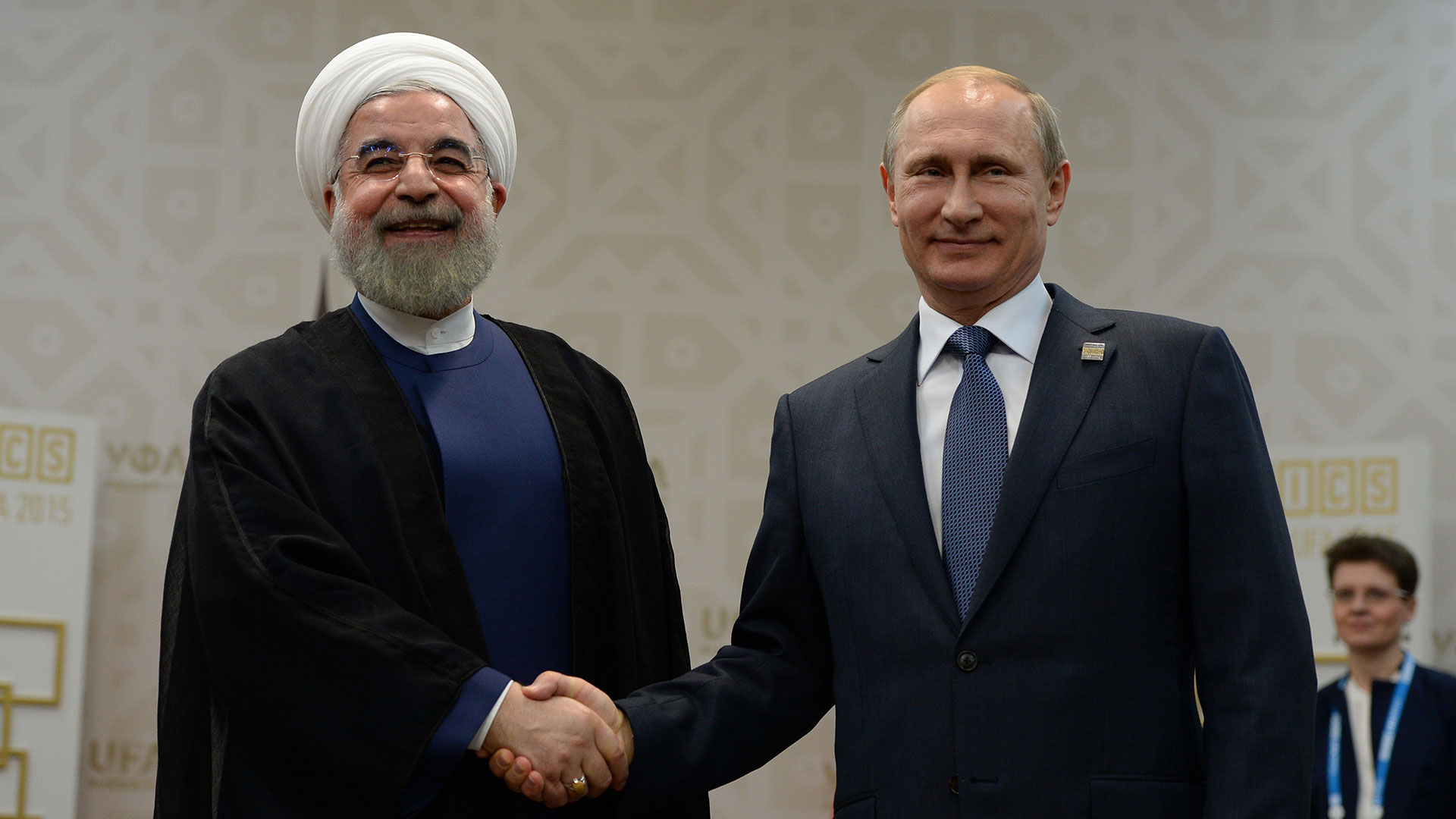
Desde 24 de fevereiro de 2022, o dia em que o ataque russo à Ucrânia começou, o alto escalão da contrainteligência da OLP está sentado no Kremlin, incitando Moscou. Não por coincidência, a Liga das Nações Árabes, que gerou a Organização de Libertação da Palestina, com o apoio russo em 1964, apoiou a guerra lançada pela Rússia.

Nesse contexto, chegou a hora de prestar atenção ao papel negligenciado da Rússia nas negociações do Oriente Médio.

Em 13 de setembro de 1993, quando os acordos de Oslo foram costurados no gramado da Casa Branca, a  Rússia  sentou-se com os EUA, como fiadores desses acordos, embora nunca tenham sido ratificados pela OLP.

Embora os EUA tenham consistentemente aspirado a desempenhar o papel de um corretor honesto entre as partes em conflito, a Rússia não agiu sob tais pretensões.

Em vez disso, a Rússia apoia consistentemente o entendimento da OLP sobre os acordos de Oslo, de que Israel deve se retirar para as linhas do armistício de 1949, cancelar a anexação da Cidade Velha de Jerusalém e do Golã e reconhecer o “direito de retorno”

A Rússia agora procurará melhorar sua imagem

Que melhor maneira de assumir uma postura heroica do que afirmar-se como garantidora da paz no Oriente Médio, apoiando as demandas da OLP?

A OLP não apenas acolheria tal iniciativa russa “pela paz”, como tal movimento russo seria contemplado com apoio da ONU e da UE.

No entanto, seguindo o precedente da Ucrânia, podemos esperar que os russos ajam com a força das armas para mostrar seu apoio às demandas da OLP.

The World Bank In West Bank and Gaza

2020 has been a tumultuous year for the Palestinian economy, which is suffering the economic fallout of the COVID-19 outbreak, as well as a political standoff that has made it difficult for the Palestinian Authority (PA) to collect tax revenue.

Click here for more information.