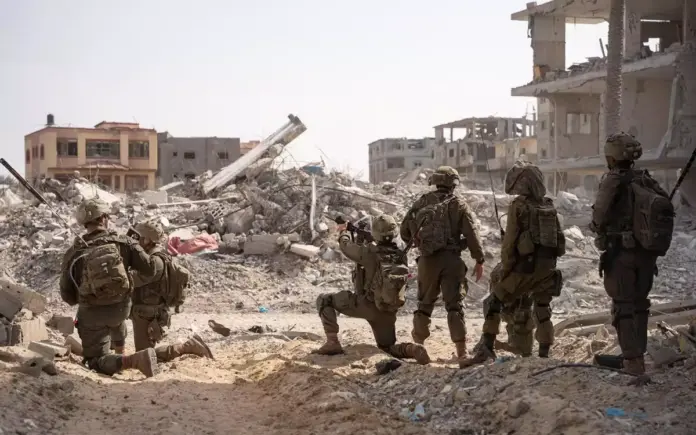
Biden administration gives Israel until November 13 to implement its demands to improve humanitarian situation in Gaza – or military aid will be suspended. The humanitarian aid enables Hamas to continue its terror operations.

The Biden administration is putting maximum pressure on Israel, threatening to suspend military aid if Israel does not fully implement its demands before November 13, Axios reported.

Biden has thus far avoided suspending military aid, but the move is “gaining more support inside the State Department,” the site reported, quoting a US official.

The threat follows an October 13 letter sent by US Secretary of State Antony Blinken and US Defense Secretary Lloyd Austin to their Israeli counterparts, warning that if the humanitarian situation in Gaza did not significantly improve within 30 days, it would affect the weapons the US supplies to Israel.

Over half of all humanitarian aid to enter Gaza is taken over by the Hamas terror group, and used to fund its continued terror operations. According to officials, the increased humanitarian aid taken over to Hamas is significantly extending the war in Gaza.

In a Thursday press conference with Austin, Blinken said, “Both of us and our teams are tracking very carefully Israel’s responsibilities to meet the letter of the law … with regard to the provision of humanitarian assistance.” They emphasized that although Israel has made progress, more needs to be done.

Meanwhile, Israeli and US officials said that Israel’s Strategic Affairs Minister Ron Dermer has been tasked with drafting the response to the letter from Blinken and Austin, but that the letter is expected to be finalized and sent only after the US elections next week. Its contents are likely to be influenced by the results of the elections.

On Friday, the State Department stated: “Secretary of State Antony J. Blinken spoke today with the Israeli Minister of Strategic Affairs Ron Dermer. The Secretary and Minister discussed necessary steps for regional de-escalation. The Secretary emphasized the importance of ending the war in Gaza and bringing all of the hostages home, as well as charting a path forward in the post-conflict period that provides governance, security, and reconstruction. He discussed the dire status of humanitarian conditions in Gaza, reviewed steps that have been taken to improve the situation, and urged further actions to surge aid to civilians. The Secretary and Minister discussed ongoing efforts to reach a diplomatic resolution in Lebanon that allows both Lebanese and Israeli civilians to return safely to their homes. The Secretary reaffirmed the United States’ ironclad commitment to Israel’s security against threats from Iran and Iran-backed proxy groups.”

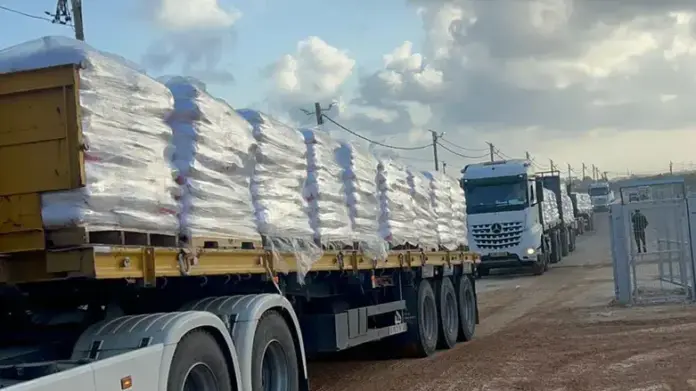
Among the US demands is that 350 aid trucks enter Gaza each day by November 13.

Already in September, Channel 12 News – a left-wing media outlet – reported that Hamas has profited by at least a half billion dollars from humanitarian aid entering Gaza. The terror group takes control over the aid, hides it in warehouses, and later sells it to the Gazan population, earning a lot of money from it, which is then invested in recruiting new terrorists and paying salaries to existing terrorists.

The channel’s Almog Boker noted that approximately 200 aid trucks already enter Gaza each day, something which has “actually become the main oxygen pipeline for the terrorist organization.”

Dilemmas

We are faced with a situation in which difficult choices have to be made.

The story of creation which we read in Synagogues last week tells us in the first few sentences that the world was void and that darkness prevailed.

Surveying the state of the world today one can almost come to the conclusion that we have again returned to that period of darkness when chaos ruled and order had not yet been established.

The approaching date of 5 November will mean different things to different people in various continents and countries.

For those living in the UK, its occupied territories and remnants of a past English empire this date represents the anniversary of the gunpowder plot when terrorists tried to blow up Parliament and take power. For the vast majority of revelers who still light fireworks and burn effigies of Guy Fawkes the historical lessons are most likely lost in the mists of time. Forgotten is the fact that the aim of the plot was to assassinate the Protestant monarch and install a Roman Catholic successor.

As usual the Jews were caught in the middle of this mayhem and not for the last time had the challenge of deciding which side might be best to support. Given the lamentable track record of the Roman Catholic Church this was not such a hard choice.

Scroll forward to the current situation and we find that once again British Jews face dilemmas of determining how to navigate between a rising Islamic jihadist movement and politicians who speak with forked tongues. On the one hand political parties profess to combat Jew hate while at the same time condemning and sanctioning the Jewish State for tackling terror. This, in turn, generates anti-Jewish incitement and violence.

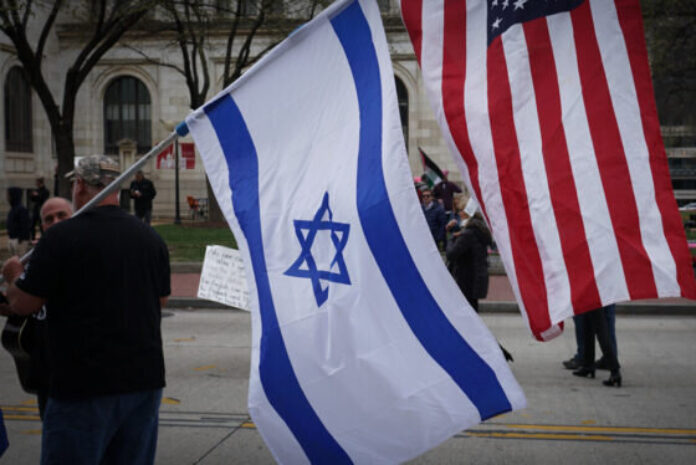
This year, 5 November will be a defining date for American Jews as they cast their ballots in an election which promises to be full of fireworks and explosive repercussions no matter which side wins.

One thing can be confidently predicted.

The legal profession will be having a field day challenging the results while trying to prove fraud, illegal voters and tampered ballots. When one looks closely at the US electoral system one has to wonder exactly how fair and democratic it actually purports to be. Instead of the winner being chosen by the popular vote there is an electoral college representing the states of the union which allocates votes according to the size of each state. Thus, on many occasions the winning Presidential candidate received a minority of votes.

Even worse is the ludicrous situation whereby in many places no identification is required in order to cast a ballot. This in turn enables non citizens and illegal individuals to vote. No wonder every four years there is an uproar with this year promising to be a vintage and vitriolic outcome.

An American friend of ours who originally hails from Chicago remembers the time when the Democratic mayor of that city urged people to vote early and often.

The very concept of fair and free elections should be the ability of citizens to choose from as wide a selection of candidates as possible. In the vast majority of democracies this is indeed the case. However in the “land of the free” voters only have two realistic choices when it comes to choosing a President and Vice President. Someone who is neither a Democrat nor Republican has zero chance of ever being elected.

How representative of a diverse society can that be? It in effect disenfranchises large sectors of the population. Furthermore, when the two alternatives on offer are uninspiring or plainly unsuited, where can voters turn to look for someone more qualified? In the USA they can either refuse to vote or waste their ballot on a protest candidate who everyone knows has no chance of making it to the White House.

Perhaps this is the reason for historically low voter turn outs when compared to other democracies.

All these factors will be crucial as 5 November looms.

American Jews face a dilemma as they prepare for Election Day. Historically they have voted almost en masse for the Democratic Party especially since the days of FDR. It is somewhat ironic that they became “genetic democrats given that the Party was closely tied to slavery and racial discrimination in the south and that FDR refused sanctuary to Jews fleeing Nazi genocide in Europe. Whatever the reasons for this generational loyalty, the current trends in both political parties should give American Jews some serious things to think about this time around.

Here is the conundrum.

For those eternally wedded to the Democratic Party, do they ignore the steady erosion of support for Israel and an increasing progressive anti Israel animosity?

Will “Trump derangement syndrome override doubts about the drift of the Democrats to the leftist fringes of unhinged hate against Israel?

Rising assimilation and detachment from anything to do with Israel is growing among millennials. On the other hand, can those for whom Judaism and Zionism are synonymous, still stick with a candidate who prevaricates about support for the Jewish State?

Jews are no longer safe on the streets of many American cities where crime and rising hate endanger them and their communal buildings.

Much is made of the second gentleman being Jewish but his attachment to anything Jewish is merely an electoral mirage. Apart from Kamala making a “mean” brisket and his latest promise to put up a mezuzah at the White House any manifestation of Jewish solidarity is fleeting.

Trump at least has a Jewish daughter, son-in-law and grandchildren whose commitment to Judaism is absolute and not fake. His previous term as President produced the Abraham Accords, recognition of Jerusalem as Israel’s Capital, transfer of the US Embassy to the city and recognition of the Golan as part of Israel. In addition, Iran and other terror groups were left in no doubt as to the consequences of their continuing campaigns of murder and mayhem.

One of the dilemmas facing Jewish voters is the doubtful and shady characters which associate themselves with both candidates. Knee jerk haters of Israel and Zionists on the left and conspiracy theorists, isolationists and Jew haters on the right make a lethal combination.

How will American Jews navigate between these extremes?

Will they close their eyes, shut their ears and hold their noses as they vote for Harris despite her word salads and less than clear commitment to Israel’s security? Will her willingness to accept lies and slanders against Israel as valid positions rather than unacceptable libels make any difference?

Will Trump’s unpredictability and association with dubious holocaust deniers turn off potential Jewish voters who no longer see the Democratic Party as their natural home?

An overwhelming percentage of Jewish Israelis polled prefer Trump (66%) to Harris (17%). Will this pattern repeat itself in the USA? It seems highly unlikely.

These questions highlight the USA’s totally bizarre electoral system whereby there is only a choice between two possibly unacceptable candidates.

Last but not least, 5 November this year is a holy day in Australian life. It is the day when one of the world’s famous horse races takes place. Melbourne Cup day is an occasion when for a short while, time stands still as the horses race towards the finishing line and money is won or lost.

I cannot help but compare this event with what will happen in the USA on this day.

Australians will have a wide choice as up to 24 horses will compete. Contrast that with the miserable choice of only two competitors offered up to Americans.

Horses with unacceptable handicaps are scratched (cancelled) before they even reach the starting gate. Contrast that with the US where anyone no matter how unqualified and unsuited they may be still qualifies to compete.

In the Melbourne Cup there is a clear winner and it is not always the most favourite. There is no dispute about who crossed the finishing line first. Contrast that with the legal mayhem surrounding the US race and the declared winner.

The horse race is conducted in a fair and transparent manner. Contrast that with the murky shenanigans associated with every American electoral contest.

This 5 November promises to be a vintage occasion in every respect.

Place your bets and sit back to watch the inevitable resulting fireworks.

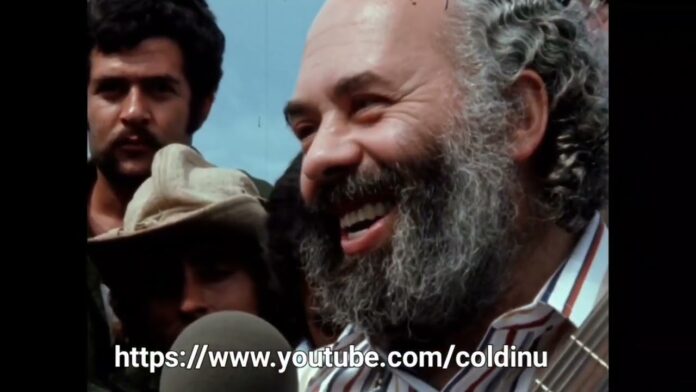
Rabbi Shlomo Carlebach at the Yom Kippur War

Rabbi Shlomo Carlebach is interviewed by the Dutch TV and sings to soldiers in the Golan Heights during the Yom Kippur War.

When 120 Years Finally Arrives

Now, when humanity began to multiply on the face of the earth and daughters were born to them, the princes and judges saw how pretty the girls were, and they took themselves wives from whomever they chose. [Genesis 6:1-2]

The story of any man is rooted in his father. If his father was just and honest then chances are his child will act the same way. The junior has seen the value of following G-d’s ways and will respond accordingly. And, of course, the opposite is true: A man who has seen cruelty and lies in his home will see this both as normal and necessary.

Featured Post Rabbi Avi Goldberg: A man who lit up the world

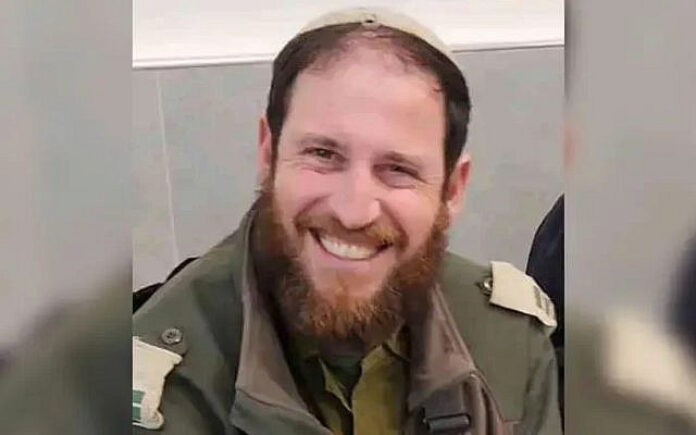
It was late at night. I was walking home from one engagement or another, weighed down by the war, the losses abounding around us, the daily grind. I was reading the news on the phone as I walked, but something made me look up, and there was Rabbi Avi — my neighbor and one of the pillars of my community, a man who led us in prayer, learning, music, and volunteer work countless times.

Interior Ministry suspends ties with Haaretz after publisher’s controversial Gaza war speech

The Interior Ministry announced Thursday it would suspend all cooperation and advertising with the Haaretz newspaper following controversial remarks made by the paper’s publisher, Amos Schocken, at a conference in London where he criticized Israeli policies and called for international sanctions.

The Flood of Hatred: Reflecting on Humanity’s Moral Crisis

This has been a fast-moving, heart-wrenching week. Every headline tells a story of unimaginable loss and sacrifice, and it’s challenging to keep up with the harsh reality Israel faces. Over 35 soldiers have fallen in just days, leaving behind grieving families and countless orphans. Each life lost is a story of courage and sacrifice that deepens our collective pain. Additionally, 16 civilians were killed in October, including seven in the Tel Aviv terror attack just before the 180 missiles sent to Israel by Iran. And while the media, the UN, et al., are filled with condemnation of Israel’s outlawing of UNRWA, concerns about humanitarian aid, or headlines that harshly criticize Israel, there is genuine suffering, anguish, and sacrifice by the people of Israel.


What does the new unrwa legislation mean for Israeli businesses sector and unpacking the international response to the UNRWA ban – David Bedein, Journalist and founder of Israel Resource News Agency at the Center for Near East Policy Research Center

View of the United Nations Relief and Works Agency (UNRWA) building in Rafah in the southern Gaza Strip. Photo: Abed Rahim Khatib / Flash90.


Exploring the Therapeutic Potential of Natural Retreats

Healing Trauma through Nature and Wildlife Encounters

Healing Trauma through Nature and Wildlife Encounters.

(courtesy)

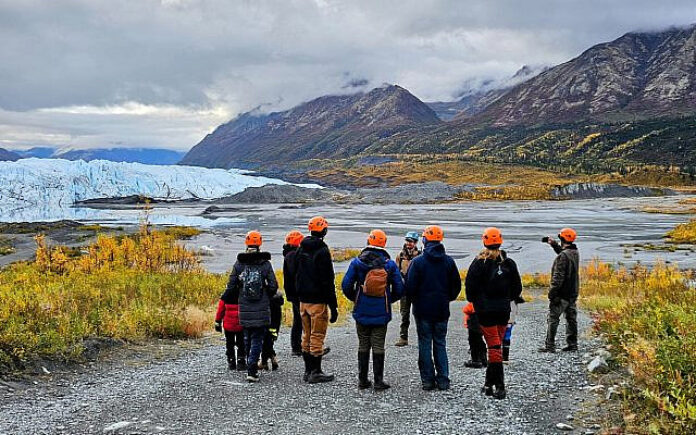
During my ongoing emissary mission with Bedein—Agents of Hope, I embarked on a journey with my family to explore the breathtaking wilderness of Alaska and the bordering Yukon Canadian province. Immersed in these stunning natural landscapes, I researched and documented several extreme nature resorts, focusing on their unique environments and opportunities for encounters with wildlife. Through our experiences, I witnessed firsthand the transformative impact of these settings on individuals grappling with trauma.

Our family’s explorations illuminated the profound healing potential of nature. Each retreat we visited provided not only a picturesque backdrop but also an environment conducive to emotional processing and restoration. The immediate surroundings, rich with wildlife and natural beauty, became a powerful tool for fostering connection, introspection, and recovery.

The insights gained from these explorations underscore the necessity of creating accessible retreats for Israeli and Jewish families grappling with the year-long conflict, intensified by the October 7th atrocities and the significant rise in antisemitism. These challenges have compounded societal trauma, highlighting the urgent need for spaces where individuals can recuperate. With this understanding, I aim to leverage my years of expertise in innovative tourism development to serve as a curator of healing nature retreats and resilience experiences, witnessing participants reconnect with nature—and, in turn, themselves.

As trauma and mental health challenges continue to grow worldwide, there is a marked shift in how we approach healing. Today, an increasing number of practitioners and trauma survivors are recognizing the profound impact of nature-based retreats and wildlife encounters in the healing process. Beyond conventional therapy, these experiences offer restorative environments that can calm the mind, relieve stress, and foster resilience—benefits uniquely derived from immersing oneself in the natural world.

(courtesy)

Nature’s Role in Trauma Recovery

Research increasingly supports the benefits of “ecotherapy” or “nature therapy” in treating symptoms of trauma, including post-traumatic stress disorder (PTSD), anxiety, and depression. A pivotal study by Bratman et al. (2015) at Stanford University revealed that individuals who spend 90 minutes in a natural setting experience reduced neural activity in areas of the brain associated with mental illness. This significant reduction in rumination and stress response highlights how time spent in nature can directly influence mental clarity and calm.

The therapeutic benefits of natural environments are rooted in the concept of “biophilia,” the human tendency to seek connections with nature. Pioneering psychologist Erich Fromm described biophilia as essential to mental health, suggesting that our bond with nature provides us with a crucial sense of grounding. For individuals dealing with trauma, immersion in nature offers a break from the sensory overload of urban environments, creating space for introspection, emotional processing, and restoration.

(courtesy)

Benefits of Wildlife Encounters

While exposure to natural landscapes alone is beneficial, encounters with wildlife bring an added dimension to the healing process. Research in animal-assisted therapy has shown that interactions with animals can lower blood pressure, reduce cortisol levels, and improve overall mood, especially in trauma survivors. The American Psychological Association (APA) notes that such encounters enhance mindfulness, empathy, and presence—all essential elements for trauma recovery.

Wildlife encounters, particularly with large mammals like deer, wolves, or birds of prey, allow trauma survivors to engage in non-verbal connection and experience feelings of awe and mutual respect. A study published in the journal Animals found that observing wildlife helps combat feelings of isolation and disconnection, common in trauma survivors. This nonjudgmental engagement fosters trust, lowers hypervigilance, and aids emotional regulation, all of which contribute to trauma healing.

(courtesy)

Case Studies: Wilderness Retreats and Trauma Recovery

Across the globe, programs and retreats are leveraging nature’s therapeutic power to assist trauma survivors on their journey to recovery. Programs such as Project Healing Waters in Alaska, designed for trauma survivors like veterans and first responders, immerse participants in nature through activities like hiking, fishing, and guided wildlife observation. These retreats have been shown to improve mental clarity, reduce anxiety, and offer a renewed sense of purpose, highlighting the effectiveness of structured nature experiences for trauma recovery.

In another instance, the Scottish Wildlife Trust has incorporated nature-based programs for mental health. These retreats use Scotland’s scenic landscapes and wildlife as the focal point, helping participants release stress, process emotions, and reconnect with the present moment. Participants often report a marked reduction in stress levels, as well as improved resilience and clarity, underscoring the long-term benefits of ecotherapy.

Ecotherapy as a Vital Tool in Trauma Treatment

Given the significant rise in mental health needs worldwide, nature-based healing is quickly becoming an essential complement to traditional therapeutic models. For those impacted by trauma, traditional settings can sometimes feel restrictive, while natural environments offer a sanctuary that promotes healing. Many schools, workplaces, and community centers are now incorporating ecotherapy concepts into their programming, with green spaces and outdoor activities becoming more prevalent as a method for supporting emotional well-being.

Studies support the notion that nature exposure is not simply beneficial but necessary. Dr. MaryCarol Hunter, an ecotherapy expert at the University of Michigan, points out that even short, regular time in natural settings can reduce symptoms of mental distress and foster an increased sense of peace. According to Dr. Hunter, “Nature is not a luxury; it’s a necessity,” underscoring the essential role of nature in supporting overall mental health resilience.

(courtesy)

Looking Ahead: Mainstreaming Nature-Based Healing Approaches

While nature-based healing shows great promise, continued research and program development are necessary to fully integrate ecotherapy into mainstream trauma treatment. The potential for wildlife-based retreats and wilderness therapy lies not only in the therapeutic impact on trauma survivors but also in fostering a collective reconnection with the natural world.

Healing trauma through nature and wildlife encounters offers a unique approach to emotional recovery. For trauma survivors seeking peace and resilience, the natural world provides a path to reconnect with oneself, rebuild trust, and regain balance. As ecotherapy continues to expand, mental health professionals and community organizations are poised to support a new era of trauma recovery—one where nature serves as a restorative force, offering solace, strength, and, ultimately, healing.

Noam Bedein
Curator of Nature-Based Healing Resorts & Resilience Experiences
Crafting transformative, nature-inspired retreats that foster healing, resilience, and personal renewal.

Sources

  • Bratman, G. N., et al. (2015). “Nature experience reduces rumination and subgenual prefrontal cortex activation.” Proceedings of the National Academy of Sciences, 112(28), 8567-8572.
  • American Psychological Association. “The benefits of animals for mental health.” APA, 2020.
  • Fromm, E. (1973). The Anatomy of Human Destructiveness. Holt, Rinehart, and Winston.
  • Hunter, M. C., et al. (2019). “The role of nature in enhancing mental health.” Nature & Health, University of Michigan.
  • Project Healing Waters. “Restorative wilderness retreats for veterans and first responders.”

Nature can heal the trauma of war in a post-October 7 Israel

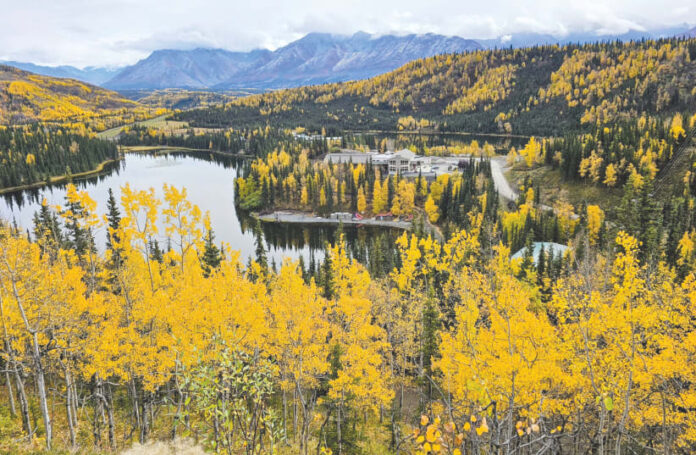
GLACIER VIEW resort in Alaska, nestled amid vibrant autumn forests and near the enchanting Matanuska Glacier, offers a serene escape for families. It seamlessly blends adventure and tranquility in a breathtaking natural setting, says the writer. (photo credit: Courtesy Noam Bedein)

In the wake of profound societal trauma, particularly among Israeli and Jewish families affected by the ongoing war, I find myself reflecting on a transformative journey my family and I undertook.

As part of our emissary mission with Bedein – Agents of Hope, we explored the breathtaking wilderness of Alaska and the neighboring Canadian Yukon province.

Immersed in nature’s stunning landscapes, I documented several extreme nature resorts and witnessed firsthand the healing potential that these environments offer.

Our experiences in these serene settings opened my eyes to nature’s remarkable ability to foster emotional processing and restoration.

Each retreat served as more than just a picturesque backdrop; it became a sanctuary for connection and introspection.

The breathtaking wildlife and natural beauty around us were not merely aesthetic; they were instrumental in facilitating a powerful therapeutic process.

This journey underscored an urgent truth: we must create accessible retreats for those grappling with trauma, especially in light of the rising antisemitism and recent atrocities that have compounded societal wounds.

The mental health community desperately needs spaces for rehabilitation where individuals and families can reconnect with themselves and the world around them.

As trauma and mental health challenges continue to escalate globally, we are witnessing a significant shift in healing paradigms.

The profound impact of nature on healing 

Increasingly, practitioners and trauma survivors are recognizing the profound impact of nature-based retreats and wildlife encounters.

These experiences transcend conventional therapy, offering restorative environments that can calm the mind, relieve stress, and cultivate resilience – benefits that can be found only in the embrace of the natural world.

The concept of “ecotherapy” or “nature therapy” is gaining traction as research reveals its effectiveness in treating symptoms of trauma, including post-traumatic stress disorder (PTSD), anxiety, and depression.

A pivotal study by Bratman et al. (2015) found that spending just 90 minutes in a natural setting reduces neural activity in areas of the brain associated with mental illness.

Such findings illustrate how immersion in nature can directly enhance mental clarity and emotional well-being.

Equally important are the benefits of wildlife encounters.

Research in animal-assisted therapy shows that interactions with animals can lower blood pressure, reduce cortisol levels, and improve mood – crucial for those affected by trauma. Engaging with wildlife fosters trust, lowers hypervigilance, and aids emotional regulation, creating a healing atmosphere that nurtures recovery.

Around the world, programs like Project Healing Waters in Alaska are already harnessing nature’s therapeutic power.

These initiatives immerse trauma survivors – like veterans and first responders – in activities such as hiking, fishing, and wildlife observation, demonstrating the effectiveness of structured nature experiences for recovery.

However, the promise of nature-based healing must be further integrated into mainstream trauma treatment.

While traditional therapeutic settings can feel restrictive, natural environments offer a liberating sanctuary.

Schools, workplaces, and community centers must embrace ecotherapy concepts, transforming green spaces into vital hubs for emotional support.

As Dr. MaryCarol Hunter, an ecotherapy expert at the University of Michigan, emphasizes, “Nature is not a luxury; it’s a necessity.”

This perspective must shape our approach to mental health, recognizing that access to nature is crucial for fostering resilience and healing.

In light of these insights, I urge mental health professionals, community organizations, and policymakers to prioritize the development of nature-based retreats.

By creating accessible spaces for emotional recovery, we can provide a path for trauma survivors to reconnect with themselves and rebuild their lives.

The journey toward healing can begin with a simple step into the natural world.

Together, we can support a new era of trauma recovery – one where nature serves as a restorative force, offering solace, strength, and, ultimately, healing.

The writer is on a family emissary mission across North and Central America and is the curator of Healing Nature Retreats and Resilience Experiences.