Czech
Czech French
 German
 Hebrew
 Noruegan
 Russian
 Spanish
 Swedish
 Polish
 Portuguese




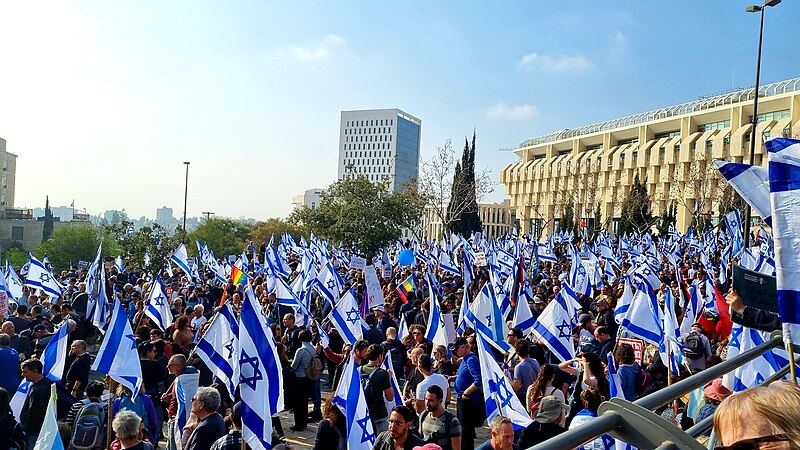
This week marks Yom Yerushalayim—the 59th anniversary of the liberation of Jerusalem. Despite centuries of exile and dispersal to every corner of the globe, the Jewish people never relinquished their connection to their historical capital. Throughout periods of prosperity and, more frequently, times of intense persecution, the yearning to return to the Holy Land and the Holy City remained a constant, defining thread of Jewish identity.
A Vow Through the Ages
Psalm 137, composed during the Babylonian exile, captures the profound determination of the Jewish people to one day return and rebuild their center of gravity: “If I forget you, Oh Jerusalem, let my right hand forget her cunning/skill. If I do not remember you, let my tongue cleave to the roof of my mouth.”
This commitment was woven into the fabric of daily life, famously recited under the chuppah during every wedding ceremony. It is a vow that sustained countless generations, keeping the hope for ultimate redemption alive. Every year on Tisha B’Av, Jewish communities gather to mourn the destruction of the Temples and pray for the restoration of sovereignty over Jerusalem.
From Independence to Liberation
The miracle of 1948, when the Jewish State was proclaimed, seemed to signal the end of two millennia of exile. However, independence was immediately challenged by invading Arab armies. The resulting armistice left the Hashemite Kingdom of Jordan in control of Judea, Samaria, and eastern Jerusalem. During this period, the international community remained largely silent while Jordan engaged in the ethnic cleansing of Jewish institutions and the desecration of sacred sites like the Mount of Olives cemetery.
It was only in 1967, when Israel liberated Jerusalem and restored freedom of worship for all faiths, that the international community—including the UN—began to direct intense censure at the Jewish State. This hypocrisy remains a defining feature of the discourse today, as many nations refuse to recognize Jerusalem as the capital of Israel, preferring to hide behind the fiction that the city’s status awaits a “final peace agreement.”
The Historical Reality
For those who remember the tension of 1967, the reality was a battle for survival against an impending threat of annihilation. When Jordan chose to join the war against Israel, they lost control of the territories they had been occupying illegally. It is a vital historical fact that, prior to the liberation, the “Palestinian” identity as a national entity had not been established, and the areas in question were not part of any sovereign Arab state.
Today, Yom Yerushalayim serves as a necessary reminder of these events, particularly in an era of revisionist history. While Israel ensures freedom of worship for all, the narrative remains heavily skewed, with the celebration of Jerusalem’s reunification frequently mischaracterized as provocative.
Looking Toward the Future
Jerusalem has never served as the capital of any other nation in history; it was only under Jewish sovereignty that it truly flourished as a national center. Despite this, many in the Diaspora treat the anniversary of its liberation as a minor event rather than a national holiday. If the Jewish people do not prioritize the remembrance of Jerusalem, they invite the further spread of the false narratives currently championed by their adversaries.
As we observe this anniversary, it is time to reaffirm the connection to our eternal capital and ensure that the significance of this day is passed on to future generations.
Chag Yom Yerushalayim Sameach.
Michael Kuttner is a Jewish New Zealander who for many years was actively involved with various community organisations connected to Judaism and Israel. He now lives in Israel and is J-Wire’s correspondent in the region.