On November 10, 1975, the United Nations General Assembly declared Zionism ״a form of racism and racial discrimination.״ That resolution singled out one form of nationalism in that forum of nationalisms, Jewish nationalism.
At the time, Resolution 3379 didn׳t mention Jews. Nevertheless, left-wingers and right-wingers, Americans and Europeans, Jews and non-Jews alike, called the UN׳s proclamation ״antisemitic.״ They recognized that because Judaism is so foundational to Zionism, anti-Zionism is a form of antisemitism. And 30 years after Auschwitz, most Westerners condemned Jew-hatred. Still, the Wall Street Journal warned that, with the UN׳s imprimatur, the resolution׳s ״practical effect will be to restore respectability to the dormant irrational hatred of the Jewish people.״ The Journal editors and many others remembered that until the 1940s anti-semitism was respectable in the West.
Bayard Rustin, who organized Martin Luther King׳s 1963 March on Washington, feared the ״incalculable damage״ done to the fight against bigotry, when the word ״racism״ becomes a political weapon rather than a moral standard. Seeing anti-Zionism incorporate traditional antisemitism into the Arab desire to eradicate Israel, Rustin quoted King that ״when people criticize Zionists, they mean Jews, you are talking antisemitism.״ Nevertheless, 50 years later, even when anti-Zionists express their hatred of Israel by attacking Jews and Jewish institutions thousands of miles away, some believe their claim: ״I׳m not antisemitic, just critical of Israel.״
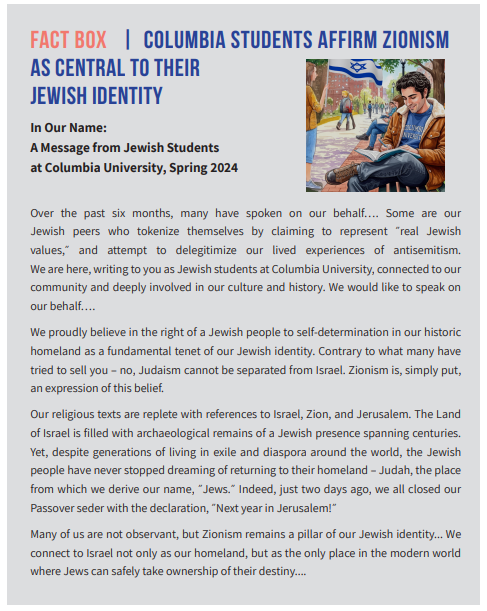
The gaslighting is so common that in spring 2024, 600 Columbia University students felt compelled to sign a letter refuting this lie. They repudiated ״our Jewish peers who tokenize themselves by claiming to represent ‘real Jewish values,׳ and attempt to delegitimize our lived experiences of antisemitism.״ These students proclaimed: ״We proudly believe in the Jewish People׳s right to self-determination in our historic homeland as a fundamental tenet of our Jewish identity. Contrary to what many have tried to sell you – no, Judaism cannot be separated from Israel. Zionism is, simply put, the manifestation of that belief.״
Charging Jews – as Zionists – with the inexcusable biologically-based crime of racism, anti-Zionists became increasingly totalitarian, subordinating all other values to the anti-Israel impulse. Anti-Zionism became the glue holding a diverse left together. These fanatics׳ triple-double cross was exemplified by many feminists׳ silence after the widespread gender-based violence Jewish women and girls suffered on October 7. They betrayed the Jews – alas, an old story. They betrayed liberal ideas – a 50-year story. But they also betrayed themselves, their core commitments. One Jewish woman in London complained, ״It׳s #MeToo… Unless you׳re a Jew.״
Launching this UN-validated libel 50 years ago also helped make antisemitic anti-Zionism central to the far left, Marxist-infused ideology that keeps changing its name – call it Identity Politics, Modern Progressivism, Woke, Critical Race Theory, Postmodernism, or the Academic Intifada. This ideology, which dominated elite academia by 2020, justifiably abhorred racism. But, after Israel won the 1967 war, after Palestinian and Soviet propagandists racialized the Jewish-Palestinian national conflict, hating Zionism as a racist, imperialist, colonialist endeavor became a defining progressive cause. Israel was the poster child of the 1960s left with its kibbutz, labor unions, and Jaffa oranges. Especially after South African Apartheid ended in the 1990s, Israel became the far left׳s most hated nation.
Today, many leftists condemn Israeli actions as ״oppressive,״ while forgiving any Palestinian violence because they׳re ״oppressed.״ By hiding that bias behind human rights, anti-racism, and anti-colonialist rhetoric, left-wing Jew-hatred often requires paragraphs to refute. Right-wing Jew-hatred is more obvious.
Left-leaning, anti-racist, neo-Nazi-hating, ״Jew-haters try to avoid using the term ‘Jew׳ or ‘Jewish׳ and instead reach for the word ‘Zionist׳ or ‘Zionism,׳״ the British Labour Party parliamentarian Denis MacShane explains. In 1964, the Vatican II council condemned the traditional ״hatred and persecutions of Jews.״ Since then, both jihadists and illiberal liberals keep merging their attacks on Israel with a traditional, conspiratorial hatred of the Jews. The obsessive, self-destructive hatred of the Islamic Republic of Iran for Jews and the Jewish state – nearly 1000 miles away from Israel – embodies the evil overlap intertwining today׳s anti-Zionism with modern antisemitism.
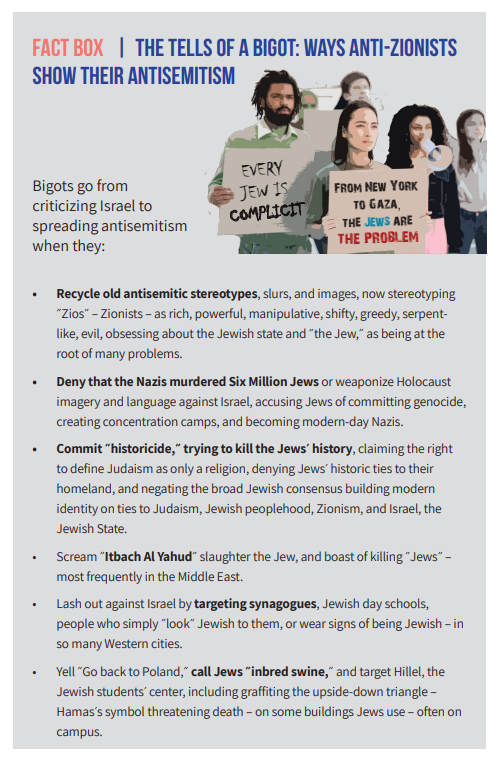
Professor Judea Pearl, whose son Daniel Pearl was kidnapped and beheaded by jihadists shortly after 9/11, sidesteps the ״is anti-Zionism antisemitic״ debate. He argues that ״Zionophobia״ – an irrational, obsessive hatred of Zionists and Israelis is bad enough, whether or not it׳s rooted in historical hostility to Jews. In fact, America׳s 1964 Civil Rights Act, the legal foundation for fighting bigotry on campus, doesn׳t prohibit religious prejudice. It bars ״discrimination on the basis of race, color, and national origin.״ That makes discriminating against Israelis a blatant violation of the Act – although those who understand that Jews are a people too would understand that ״national origin״ should include Jews.
Antisemitism, Defined
Surprisingly, despite its age and reach, many people still quibble about how to define antisemitism. Antisemitism is an obsessive hatred exaggerating the centrality and supposed wickedness of Jews and anything Jewish – the Jewish people, Jewish tradition and values, Jewish institutions, and Israel, the Jewish state. The disproportionate hatred is often expressed in demonization, delegitimization, and double-standards that go far beyond reasonable criticism applied to others – Natan Sharansky׳s ״3Ds.״
Breaking down the definition:
״Antisemitism״: This term risks making the prejudice sound scientific. It also allows Arab apologists to say, ״we׳re Semites too.״ The German propagandist Wilhelm Marr coined the term in 1879. His pamphlet Der Weg zum Siege des Germanenthums über das Judenthum (The Way to Victory of Germanism over Judaism) warned that Jews could never live with Germans or as Germans, even if they assimilated. He founded the Antisemiten-Liga (The League of Antisemites) in the same year. It remains the most used term. As an ״ism,״ it captures the ideological dimension of seeing Jews as a source of evil. Jew-hatred is the expression of bigotry, acts of bias against Jews, individually or collectively. Most antisemites express their Jew-hatred actively. But some antisemites believe the ideology while treating individual Jews kindly, just as some Jew-haters disdain Jews or beat them without a broader theory.
״Obsessive״: Some people build themselves up by knocking others down. The Merriam-Webster dictionary defines ״obsession״ as ״a persistent disturbing preoccupation with an often-unreasonable idea or feeling.״ Especially after October 7th, so many people with conflicting agendas, focusing on this one conflict and building their identity around denouncing Israel׳s alleged evils, reflected the unhealthy but historical preoccupation with Jews.
״Exaggerating the centrality and supposed wickedness״: The Israeli-Palestinian conflict, involving 0.18 percent of the world׳s 8 billion people, has generated massive coverage, nearly 100 times more articles in the American media than the bloody, American-led nine-month battle in Mosul. Censuring Jews, Israelis, and Zionists became a defining feature of so many students and professors, left-wingers and right-wingers. Reasonable people called the Gaza war a ״genocide,״ which denotes systematic, intentional, slaughter not casualties in a war of self-defense. Others called it the 21st century׳s ״most violent conflict.״ Even if one accepts Hamas׳s claim of 63,000 deaths as of August, 2025, 600,000 died in Syria, and three million died in the Democratic Republic of Congo. If medieval haters believed ״the Jew״ posed the major threat to them, too many today see ״the Jewish state״ as posing the greatest threat to the world.
״Of Jews and anything Jewish – the Jewish people, Jewish heritage, Jewish institutions, and Israel, the Jewish state״: Antisemitism and Jew-hatred don׳t stop with individual Jews. They metastasize, repudiating anything Jewish – and targeting anything and anyone Jewish. That is why, when Palestinians attack Israel, Jew-haters in Montreal, Paris, and Sydney fire-bomb Jewish schools, torch synagogues, harass Jews wearing kippot, or worse.
It׳s a two-way hatred. By disliking individual Jews, you despise anything associated with them. And after disliking a Jewish value, institution or state, you take it out on individual Jews, no matter where they stand politically, religiously, or geographically.
״The disproportionate hatred״: Jews aren׳t perfect, nor are their values, institutions, or governments. Healthy diverse, democratic communities need a culture of criticism and self-criticism. Fighting antisemitism isn׳t squelching critique. It׳s distinguishing between normative disapproval, even denunciation, of individuals, ideas, actions, versus escalating criticisms into a sweeping, categorical, essentialist loathing.
״Often expressed in demonization, delegitimization and double-standards – Natan Sharansky׳s ‘3Ds.׳״ Two decades ago, to distinguish healthy critique of Israeli actions from broad assaults on Israel itself, the former-Soviet Jewish activist Natan Sharansky identified the tonal, conceptual, and historical overlaps linking traditional antisemitism with anti-Zionism, ״the New antisemitism.״ Sharansky emphasized three dimensions that root today׳s hatred in centuries-old obsessions.
Demonization – treating Jews as the devil, a force of evil.
Delegitimization – exaggerating Jewish sins, real or imagined, to negate the validityof the Jews׳ religion, peoplehood, ties to Israel, or right to live in peace.
Double Standards – the selective, disproportionate assault on Israel or Jews, which holds anything Jewish to standards no others are expected to reach. This goes far beyond standard criticism or disagreement.
Sharansky׳s 3Ds helped expose left-wing Jew-hatred packaged as mere ״criticism of Israel.״ It׳s not that hard to criticize Israeli actions or policies. The antisemite feels compelled to escalate, unfairly generalizing about what Israel, Zionism, or the Jewish people are or think or feel.
Left-wing antisemitism hides behind human rights language, confusing those who respect human rights.
Today, Right-wing antisemitism also confuses, occasionally hiding behind pro-Israel rhetoric. That bigotry sits on 4Hs:
Hegemonic fears: Bigots claim that powerful, secretive Jews seek world domination – hegemony – that ״Jews will not replace us,״ that wealthy Jews like the Rothschild family and George Soros are ruining the world. They characterize the American government as ZOG – the Zionist Occupied Government. These lies build on traditional libels of treacherous Jews, spidery Jewish networks, and Jewish conspiracies seeking world domination.
Holocaust-denialism or abuse: Many Islamists and Palestinians, most famously PA President Mahmoud Abbas, minimize the Holocaust or, paradoxically, often excuse Nazi mass-murder by suggesting the Jews deserved it. Similarly, far right bigots, especially White supremacists and neo-Nazis, deny Hitler׳s crimes or romanticize them.
Halachic hostility: Especially in Europe, opposition to Jewish law – Halacha – has encouraged campaigns outlawing circumcision (brit milah) and kosher slaughter (shechita). Here, echoing left-wing anti-Zionists, haters mask their Jew-hatred, claiming they׳re being ״humane.״ Yet Europe allows bullfights and hunting. And the enthusiasm of neo-Nazis and other Jew-haters for the bans exposes most activists׳ hypocrisy.
Historical libels: Antisemitic slurs are recycled from the Middle Ages, Voltaire and other Enlightened thinkers, the 1800s, the Grand Mufti of Jerusalem, the Nazis. Many criticize Jewish individuals, Judaism, the Jewish people, and the Jewish state, by updating slanderous stereotyping of Jews as greedy, corrupt, disloyal, unpatriotic, exploitative, child-murdering, blood-sucking profiteers.
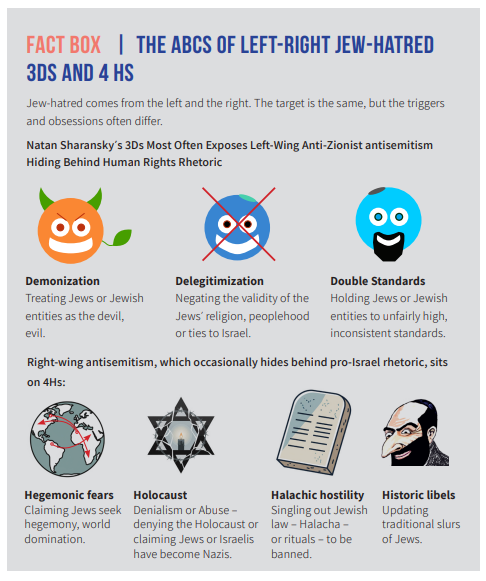
The 3Ds and 4Hs analysis helps expose many haters these days. When British protesters wave signs claiming ״ISRAEL IS THE WORST TERROR STATE IN HISTORY: Child Killers, Land Grabbers, Oppressors, Zionists, Liars, and Snakes,״ it׳s clear that Israel – and Jews — are being demonized. When, after October 7, agitators from Within Our Lifetime – United for Palestine (WOL) endorse Palestinian resistance ״in all its forms. By any means necessary. With no exceptions,״ it׳s clear that delegitimizing Israel justifies any violence no matter how heinous – against Israel and Jews. And when signs appear in New York with the Palestinian flag as background proclaiming ״BABIES ARE OCCUPIERS TOO,״ the double standard is clear. No child׳s murder should be celebrated.
Similarly, from the right. The conservative commentator Tucker Carlson hits many of the boxes by himself. When his February, 2023, documentary ״Hungary vs. Soros: The Fight for Civilization״ claimed George Soros has spent decades waging a ״political, social, and demographic war on the West,״ he was spreading the fear that Soros, a spidery, well-connected Jew, sought hegemony, to rule the world. When he calls the Holocaust revisionist Darryl Cooper, who claims Nazis didn׳t intend to kill Jews but were ״unprepared״ to deal with the large numbers they imprisoned, the ״best and most honest popular historian in the United States,״ he׳s legitimizing Holocaust denial. And when he calls Ukraine׳s Jewish president, Volodymyr Zelenskyy, ״sweaty and rat-like,״ ״shifty,״ and ״a persecutor of Christians,״ he׳s peddling historical libels.
The most widely accepted definition of antisemitism today, the IHRA definition, identifies many of these tendencies. In 2005, the EU׳s European Monitoring Center on Racism and Xenophobia published the definition. In 2016, the International Holocaust Remembrance Alliance adopted it. Over 1,266 different entities have adopted this definition, which features eleven illustrative examples, seven of which distinguish between legitimate and illegitimate criticism of Israel. The formal definition states: ״Antisemitism is a certain perception of Jews, which may be expressed as hatred toward Jews. Rhetorical and physical manifestations of antisemitism are directed toward Jewish or non-Jewish individuals and/or their property, toward Jewish community institutions and religious facilities.״ The illustrations include threatening Jews, stereotyping Jews, unfairly accusing Jews, and Nazifying Jews – or the Jewish state.
The IHRA definition – pronounced Ira – is often mischaracterized. Rather than branding all criticisms of Israel and Zionism antisemitic, its authors tried to reserve substantial room for legitimate debate – and implicitly challenge critics to ask themselves why it׳s so hard for them to have calm conversations when discussing Jews or Israel, and why do they go hysterical so frequently when discussing Zionism.
Antisemitism was and is Foundational to Mainstream Palestinian Nationalism
In The Nature of Prejudice (1954), Harvard׳s leading social psychologist, Gordon Allport, tracked anti-Black bias. His five-point scale built from ״verbal violence״ – talking – to snubbing, discriminating, wounding, then killing, especially lynching. Many anti-Zionists similarly escalate.
Sincere universalists reject all nationalisms, including Zionism. But pro-Palestinian anti-Zionists champion Palestinian nationalism, while negating Jewish nationalism. That reveals their real objection: to Zionism׳s Jewishness, not nationalism itself.
Similarly, Zionists have long debated Zionist fundamentals, and there are sincere non-Zionists who have more faith in a Jewish future in the Diaspora. All honest critics, however, are morally obligated to distance themselves from the bigots. No Jews are obligated to ease the way intellectually for their enemies – especially because so many pro-Palestinian forces unapologetically assail Jews, Jewish institutions, and the Jewish state – descending into the pit Gordon Allport mapped, from insults to murder.
Since Palestinian nationalism emerged, antisemitism has been at the core of its ideology –
while Palestinian terrorists have become the most lethal Jew-haters since the Nazis, long before October 7 – murdering hundreds of Jews and targeting dozens of Jewish institutions. That׳s their fault, not the Jews׳ responsibility. Hamas׳s founding charter quotes Koranic verses targeting the Jews. Article 28 proclaims, ״Israel, Judaism and Jews challenge Islam and the Muslim people. ‘May the cowards never sleep.׳״ The supposedly moderate Palestinian Authority also demonizes Jews, often with religious language. On the PA׳s official television station, preachers proclaim, as one did on April 17, 2022: ״Allah, delight us with the extermination of the evil Jews.״
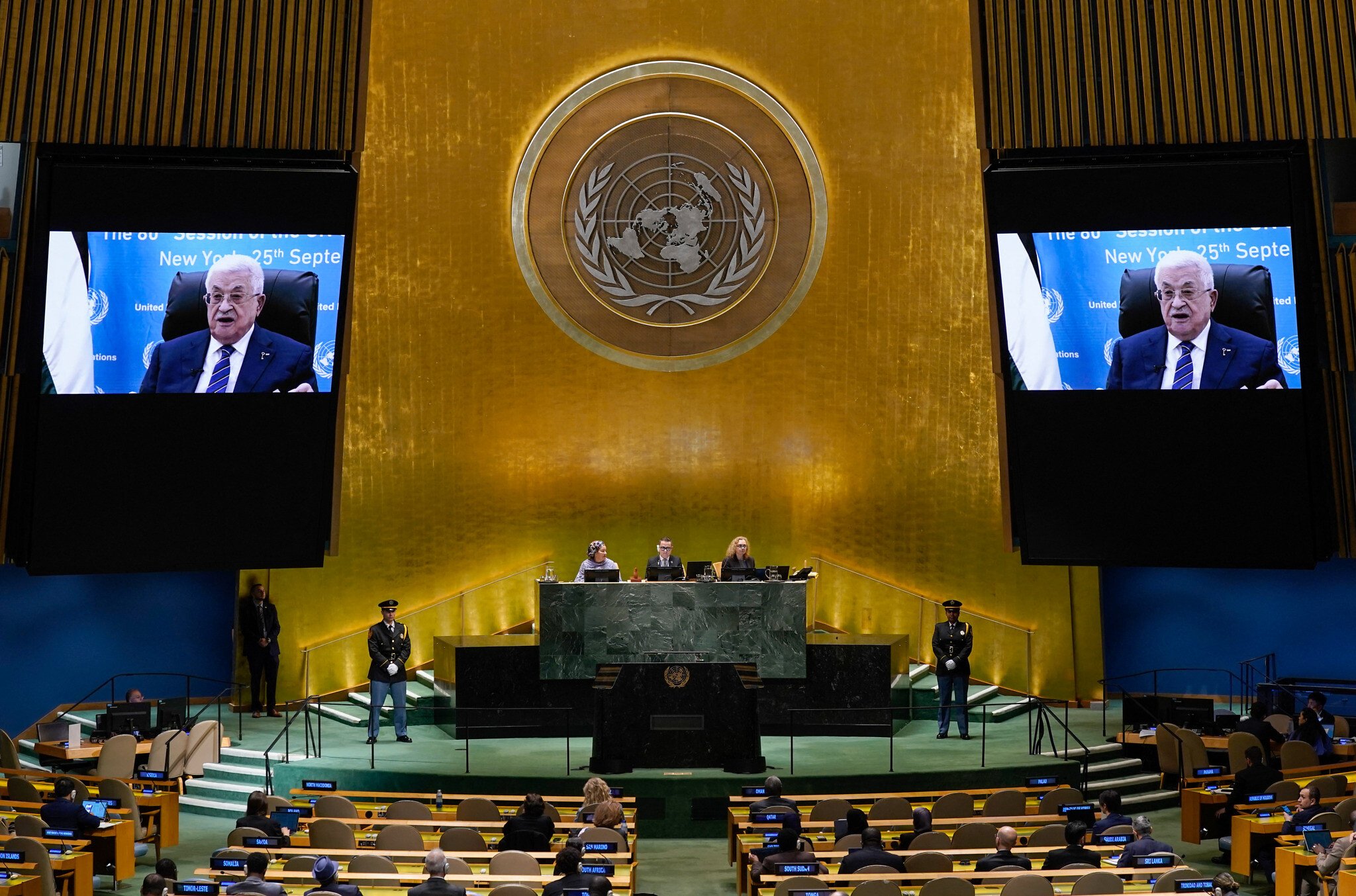
Similarly, Palestinian Authority President, Mahmoud Abbas echoed antisemitic tropes when addressing the UN on May 15, 2023. Blaming the U.S. and Great Britain for the Palestinian Nakba – catastrophe – Abbas trumpeted that old stereotype, the hateful Jew who must be expelled from proper society. He claimed ״Western countries wanted to get rid of the Jews and to benefit from them in Palestine. They wanted to kill two birds with one stone.״ In two sentences, Abbas denied Israel׳s legitimacy, deemed it ״settler-colonialist,״ treated Jews as repulsive foreign entities, and framed Zionist history as starting with the Holocaust, not centuries before.
It׳s not coincidental that when Middle East tensions spike, anti-Zionists attack Jews. It happened in 2000 and 2001, in 2009 and 2012, in 2014 and 2021 – the last four marking clashes between Israel and Hamas. And on October 7, 2023, the two hatreds of anti-Zionism and antisemitism fed one another. In Israel, Gazan terrorists boasted to parents about slaughtering ״Jews.״ Some promised, ״We will slaughter you and you will say that what Hitler did to you was a joke.״ They revealed mainstream Palestinian anti-Jewish anti-Zionism. In protests worldwide, waving placards hoping to ״Keep the World Clean״ of the Jewish Star, by using events in Israel to attack Jews and Jewish spaces, Palestinian supporters broadcast their anti-Zionist antisemitism. No wonder most Israelis, left to right, religious to secular, evoked the ״pogroms״ and called October 7th ״the worst day in Jewish history״ – not Israeli history – ״since the Holocaust.״
The clash between Palestinians and Israel is complicated enough. Most Palestinian activists׳ anti-Jewish bigotry and calls to destroy Israel are accelerants. With Palestinians׳ anti-normalization strategy boycotting Israelis and all but the most anti-Zionist Jews, every tension between Palestinians and Jews escalates into a monolithic, essentialist, do-or-die narrative.
Today, Jews find themselves ״on the wrong side of a political binary that provided no room for the complexity of history or current politics,״ according to Harvard׳s 2025 ״Presidential Task Force on Combatting Antisemitism and Anti-Israel Bias.״ Many illiberal professors, leading the Academic Intifada, cast Jews and Israelis as forever-guilty ״settler-colonialists,״ and thus ״oppressors,״ making Palestinians and their supporters forever-innocent ״oppressed.״ Labeling Zionism ״racism,״ and Israel ״settler-colonialist,״ ״genocidal,״ and ״apartheid,״ turns the Middle East׳s knotty nationalist clash into a black-and-white, good-versus-evil, racial struggle.
Back in 1975, America׳s ambassador to the UN, Daniel Patrick Moynihan, outed the bigots hiding behind legitimate criticisms of Israeli policy to advance their nefarious agenda. This hurricane of libels inspired his prediction that even when attacked, Israel ״would not just be blamed״ for any Middle East crisis, ״Israel would be regretted.״ But even Moynihan couldn׳t have imagined that support for Palestinians – including Hamas terrorists – would become the left׳s ״omnicause.״ From the way Keffiyehs have become so fashionable, to the Palestinian flags waved at Los Angeles riots against Donald Trump׳s immigration crackdown in June, 2025, ״Free Palestine״ and hating Jews have interwoven anti-Zionism and antisemitism ever more tightly.
At the same time, many anti-Zionists׳ kitchen sink approach to Jew-baiting betrays their extremism. From the left, Dr. Rupa Marya at UCSF medical school claims that ״Zionism as an ideology of supremacy in medicine impacts health and health care access for people of color״ – in San Francisco, 7,387 miles from Tel Aviv. From the right, Candace Owens blames Israel for 9/11 and claims the ADL – Anti-Defamation League – was founded to shield a Jewish pedophile. And many in the Arab world update the church׳s medieval blood libel by claiming Israel not only targets Palestinian babies but also harvests Palestinian organs.
Still, the far left׳s anti-racist antisemites insist: ״We׳re not antisemitic, just anti-Israel.״ They claim they׳re only criticizing Israel – although with no other country do they have such trouble controlling their fury. And they ״what-about,״ pretending the far right׳s equally abhorrent Jew-hatred excuses theirs. Yet they resurrect historical slurs and obsessions as zealously as their Islamist allies and right-wing opponents.
Anti-Zionism Keeps Updating Jew-Hatred
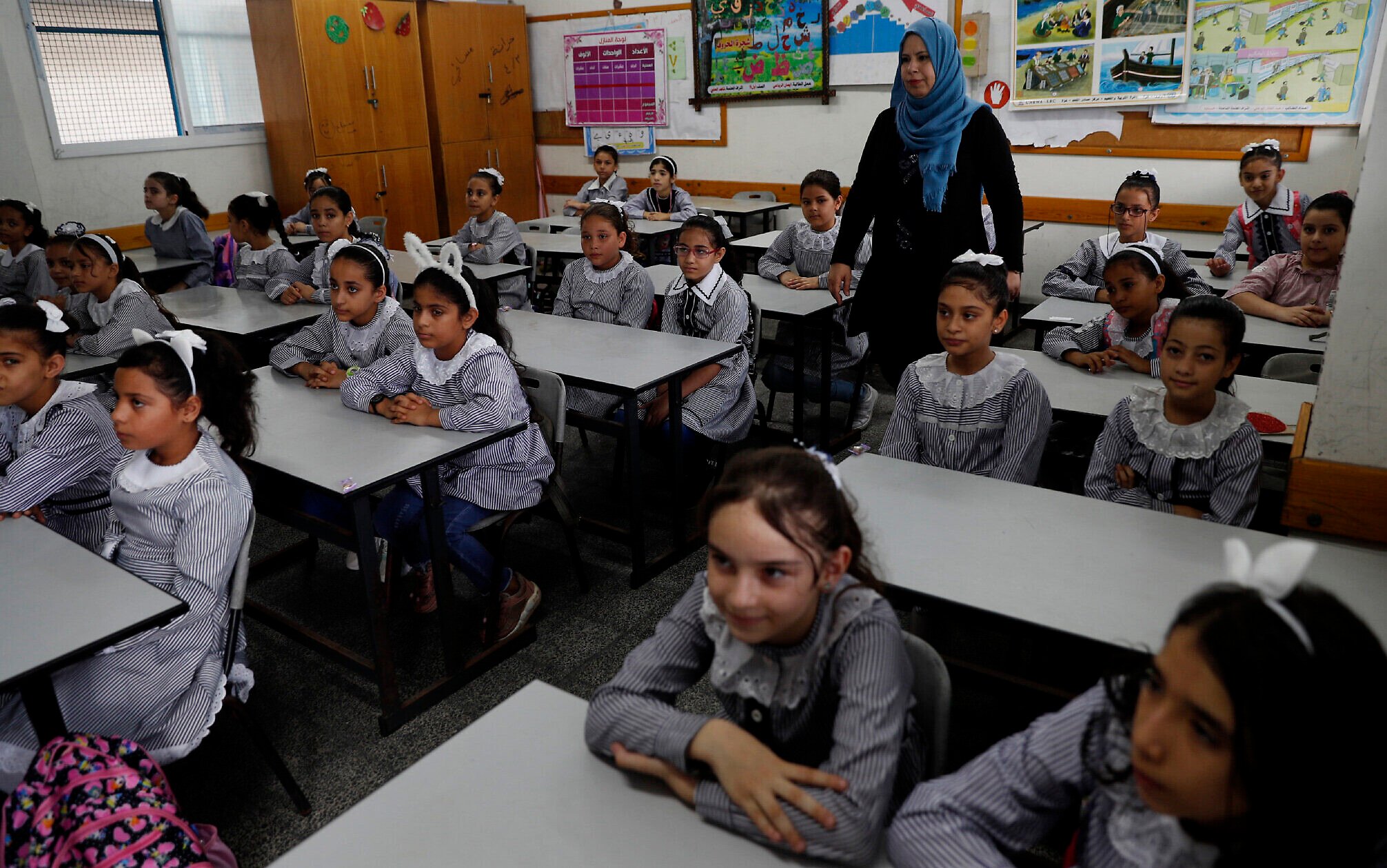
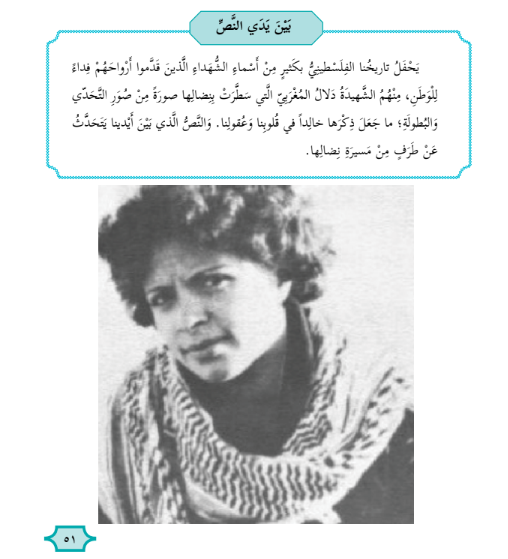
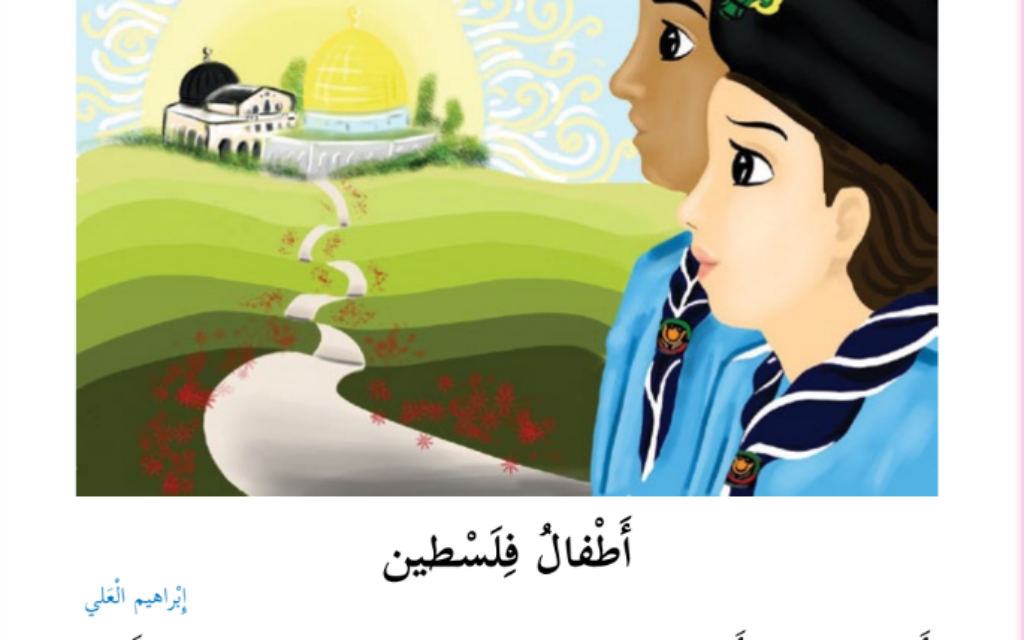
Beyond charging ״Zionophobia,״ there׳s a simple case to make about how bigots merged antisemitism with anti-Zionism – and a complicated case. It starts with the anti-Jewish rhetoric cascading throughout the Palestinian movement, the pro-Palestinian movement, the Islamist movement, and much of the Arab world. Too many grow up hating Israel – and targeting the Jews. When Muslim teenagers rape a 12-year-old girl in the Parisian suburb Courbevoie, cursing her as a Jew while brutalizing her, just as the Gazan rapists did on October 7, it׳s clear that, in this inflamed atmosphere against Israel and Zionism, too many parents raise youngsters to dehumanize Jews.
Decades before Yasir Arafat and Hamas, in the 1940s, the Grand Mufti of Jerusalem, Haj Amin al-Husseini, weaved traditional antisemitism into Palestinian nationalism. A follower of Heinrich Himmler and Adolf Hitler who called Jews ״locusts״ and ״microbes,״ al-Husseini quoted the Koran to denounce ״the perfidiousness of Jewry.״ Tom Khaled Würdemann, an expert on Palestinian antisemitism at the Heidelberg School of Jewish Studies, notes that ״the demonizing logic of antisemitism,״ now braided into Palestinian nationalism, rejects anything Jewish, especially the Jewish state. That exacerbates the conflict, sidelining debates about borders, teaching about the Jewish enemy: ״There can be no compromise with its treachery; its suffering is celebrated.״
Palestinians, at least, are unhappy neighbors whose conflict fits into a long history worldwide of border disputes and clashing nationalisms. The antisemitic anti-Zionism of the Iranian mullahs shows the hatred at its purest. Iran is 1000 miles away from Israel. Yet Iran׳s desire to kill Jews and destroy the Jewish state was so obsessive that it spiraled into self-destruction, as Israel in June 2025 finally hit back, hard.
Remarkably, anti-Zionism keeps updating Jew-hatred.
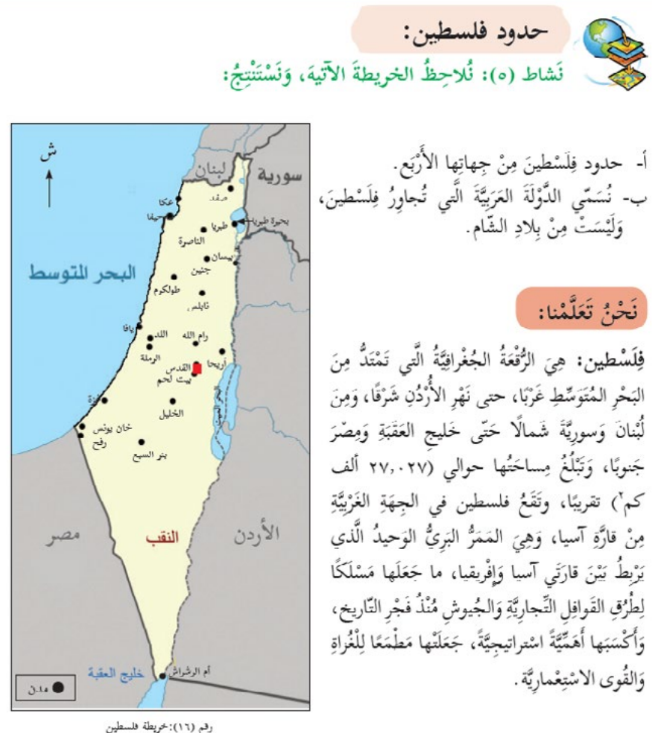
Romans totalized, declaring war on everything the Jews did and were. They murdered over one million Jews, a quarter of Judea׳s population, while delegitimizing Jews by committing ״historicide.״ Trying to kill Jewish history, they changed Israel׳s name to Palestine. Today, protesters calling ״Israel the worst terror state ever,״ hoping to ״globalize the Intifada״ – which targeted Jews in Israel and abroad — saying ״the only good Zionist is a dead Zionist,״ envision a Palestinian state ״from the River to the Sea.״ Leaving no room for Jews – denying Jews׳ presence in the Land of Israel – updates Romans׳ essentialist Jew-hatred.
Christian Jew-haters warned that Jews were punitive and vengeful, like their Old Testament God, making them Christ-killers, slaying innocents. Anti-Zionists caricature Israel as punitive and vengeful, slaying innocent Palestinians. In 2023, protesters called Israel ״genocidal״ even before Israel counter-attacked Gaza. When Londoners dyed their dresses red, carried baby dolls swathed in white clothes splotched with red, along with a photo of Jesus on the cross, proclaiming ״DO NOT LET THEM DO THE SAME THING TODAY AGAIN,״ they updated Medieval Christianity׳s theological anti-Judaism, hating Jews׳ heresy, rejecting their beliefs.
Muslim Jew-haters resented Jews as rivals, designating them ״dhimmi״ – second-class citizens. That makes a thriving Israel infuriating, defying their sense of order in the world. Protesters shout: ״Khaybar, Khaybar Ya Yahud, Jaish Mohammed Sauf Ya׳ud״ – “Khaybar Khaybar oh Jews, the army of Mohammed is returning.” Threatening Jews – and Israelis – to redo the 628 Khaybar massacre or other atrocities updates Islamists׳ adversarial Jew-hatred, hating Jews as rivals, for staying different.
Europeans in the 1300s blamed the Jews for the Bubonic Plague – then murdered hundreds of them. In 2020, the Tweet asking ״<<#covid19 or #covid1948>> Which one do you think is worse?״ was forwarded with Israeli maps. Those who helped the Tweet go viral, treating Israel as a plague, updated infectious antisemitism, characterizing Judaism as a disease infecting mind, body, and soul.
Spanish Inquisitors in 1492 deemed ״the Jews״ the ultimate villains, untrustworthy, dishonest, and piggish. Princeton University protesters disrupting former Israeli Prime Minister Naftali Bennett׳s 2025 speech, then calling fellow students ״inbred swine,״ amid all the images of Israelis as vampires, bloodsuckers, and serpents, update the dehumanizing stereotypes so central to monstrous antisemitism, exaggerating Jews׳ alleged evil as the great threat to the world.
״Enlightened״ Europeans, asserting their nationalist pride, accused the Jews of ״dual loyalty.״ While burning American, Canadian, British, and Australian flags, anti-Zionist protesters impudently recycled the same charge of treason, updating paranoid antisemitism, never trusting ״them,״ fearing the Jew as the ultimate other, never fully assimilating.
As Zionism grew in the early 1900s, Eastern European bigots yelled, ״go back to Palestine!״ Today, when anti-Zionists yell ״go back to Europe,״ updating expulsionary antisemitism, it׳s fair to wonder where the ״wandering Jew״ will ever be welcome – other than in the Jewish homeland.
In 1903, the Czarist secret police published their forgery, The Protocols of the Elders of Zion. They imagined an ״IZC,״ an International Zionist Conspiracy. Today, this favorite book of the Nazis – and the neo-Nazis – is distributed throughout the Arab world, proving the world is round: far left and far right meet in updating conspiratorial antisemitism.
From 1939 through 1945, the Nazis and their collaborators killed six million Jews to ״purge the world of this menace.״ When haters accuse Israeli Jews of becoming Nazis – even as other bigots deny the Holocaust happened, minimize it, or celebrate the mass murder of Jews on October 7 – and when they echo Nazi cries to murder the Jews ״from the river to the sea״ – they are updating genocidal antisemitism.
And, at its most basic, harking back to ancient times, reaching to today׳s schoolyard taunts, violent assaults on tourists and soccer fans, and terrorist murders, yelling ״free Palestine״ to justify attacking Jews updates violent Jew-hatred.
With accusations of ״Zionist״ money, power, media manipulation, treachery, and disloyalty reverberating in France, England, the U.S., Canada, and elsewhere, the fight against Israel has given Jew-hatred a new life, in so many mutations.
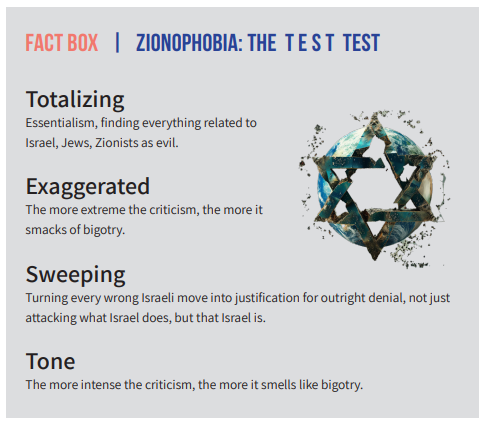
Zionophobia – All Bigotry Threatens Democracy and Decency
In 1948, 10,000 Jews lived in Lebanon; today, barely 200 remain. Iran׳s Jewish community, once 100,000-strong, dwindled to under 8,000. Lebanon borders Israel, but Iran׳s capital, Tehran, is 968 miles from Jerusalem. Antisemitism׳s centrality to Iranian and Hezbollah jihadists highlights two perennial questions, which have launched hundreds of academic treatises and thousands of late-into-the-night debates: ״Why the Jews?״ and ״How did the Jews survive so much for so long?״
Antisemitism is the longest hatred partly by its sheer longevity – whatever their secret, be it divine inspiration, defining texts, family values, a rigid-yet-adaptable culture, a sense of national mission, sheer stubbornness – Jews have survived since ancient times, to be targeted still.
The plasticity of antisemitism, far left to far right, among Marxists and capitalists, among pro-Trump White supremacists and progressive universalists, among monotheistic Islamists and atheistic Marxists, is more vexing. Although constituting only a sliver of the world׳s population, Jews are prominent enough to attract the attention of bigots – for standing out and fitting in. Jews have long insisted on staying distinct, while many Jews also understood how to adapt to different societies worldwide. That made them excellent targets. In 1933, Rabbi Milton Steinberg explained in The Atlantic why Jews had survived until then by noting: ״The ideas and ideals of a people may give it significance, but its group habits give it life.״ Doing Jewish has been the key to being Jewish. Alas, doing Jewish has long triggered haters who hate difference into beating Jews.
Jew-hatred spikes when societies are under stress and totalitarian thought is rising. When people start doubting one another, judging one another, thinking in all-or-nothing terms, they seek scapegoats – or embrace absolutist demagogues who vilify minorities. Over centuries, when such pressures emerge and there are Jews around, the scapegoating expresses itself in particular ways. That׳s why Jews keep getting accused of being threats to the status quo, of seeking power and money, of being satanic. While each expression of prejudice is despicable in its own way, antisemites often connect to lies and stereotypes already festering in an historical bank of accusations and stereotypes.
Tom Khaled Würdemann notes the utopian streak uniting most antisemites. They imagine, ״if only we can eliminate the Jews, then all will be well.״ That makes Jew-hatred so useful to bigots and demagogues: resting on well-established lies, it can be constantly updated.
America׳s Special Envoy to Combat Antisemitism during the Biden years, Professor Deborah Lipstadt, warned that ״Anybody who buys into the conspiracy myth – which is the cornerstone of antisemitism – that Jews control the media, banks, government elections, anybody who believes that, has given up on democracy.״ Equally dangerous these days is the silenced majority, more and more who don׳t stand up when Jewish friends, neighbors, dormmates, are threatened. That׳s not just a ״threat to democracy,״ it׳s a threat to decency. Alas, the massive mass media pile-on against Israel as the Gaza War persisted, ״almost normalized״ antisemitism, Lipstadt warned – as Israel, Zionists, and Jews were deemed automatically guilty – and regretted.
 Czech
Czech French
 German
 Hebrew
 Noruegan
 Russian
 Spanish
 Swedish
 Polish
 Portuguese